Rubrika: Travel Stories

  • Olomouc – A Small Prague Without the Crowds

    When I tell people that Olomouc is a bit like a small Prague, they sometimes look at me as if I have lost my mind.

    But spend a little time walking around Olomouc and you may understand what I mean.

    We have a historic city centre, beautiful churches, palaces, towers, fountains, an astronomical clock, a university, an archbishopric and even a UNESCO World Heritage Site.

    The difference?

    Everything is on a much smaller, more intimate scale.

    And that is exactly what makes Olomouc so special.

    A historic university city

    Olomouc is a university city, and the students give it a lively and relaxed atmosphere. History is everywhere, but this is not a city that feels like an open-air museum.

    Olomouc has been an important centre of Moravia for centuries. A bishopric was established here as early as 1063, and in 1777 it was elevated to an archbishopric.

    The connection with the archbishopric is still very visible today. The city is home to the Archbishop’s Palace, St Wenceslas Cathedral and a number of other important ecclesiastical buildings.

    And the history of the archbishopric is closely connected with major European events. In 1848, for example, Franz Joseph I became Emperor of Austria in the Archbishop’s Palace in Olomouc.
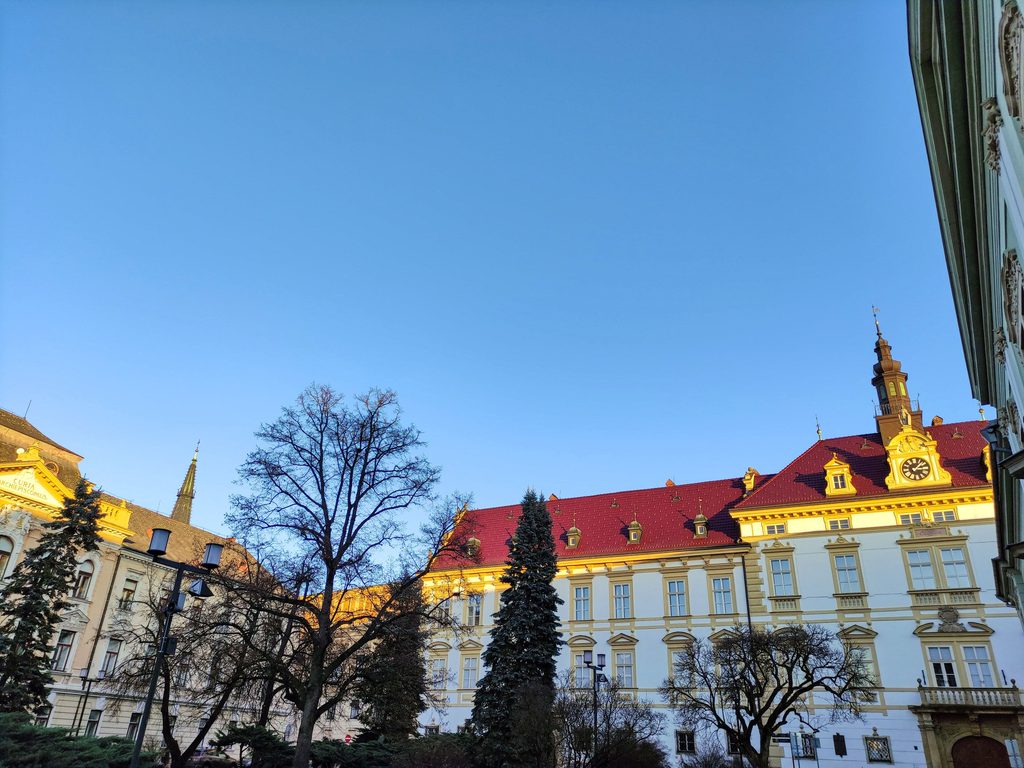
    Archbishop’s Palace

    Horní Square – the heart of Olomouc

    If I had to choose just one place to start exploring Olomouc, it would probably be Horní Square.

    This is where you will find the Town Hall, the astronomical clock, Renaissance houses and palaces, several fountains and, most importantly, the magnificent Holy Trinity Column.

    The column has been on the UNESCO World Heritage List since 2000. It is considered the largest group of Baroque statues within a single sculptural monument in Central Europe. It has recently been carefully restored, bringing its intricate details and sculptures back to life.

    And this is where my comparison with Prague really begins.

    Holy Trinity Column – UNESCO World Heritage Site

    Yes, Olomouc has an astronomical clock too

    You may be surprised to learn that Olomouc has its own astronomical clock.

    It is located on the northern façade of the Town Hall and has a long history. But don’t expect something that looks exactly like Prague’s famous medieval clock.

    The present appearance dates from the post-war period. The original clock was badly damaged during the fighting in May 1945 and was rebuilt in the late 1940s and early 1950s by artist Karel Svolinský.

    The result reflects the official artistic style of the time – Socialist Realism. Its mosaic includes scenes of everyday work and Moravian folklore, including the Ride of the Kings.

    So yes, Olomouc has an astronomical clock like Prague.

    But ours definitely has its own story.

    The clock plays once a day at noon.
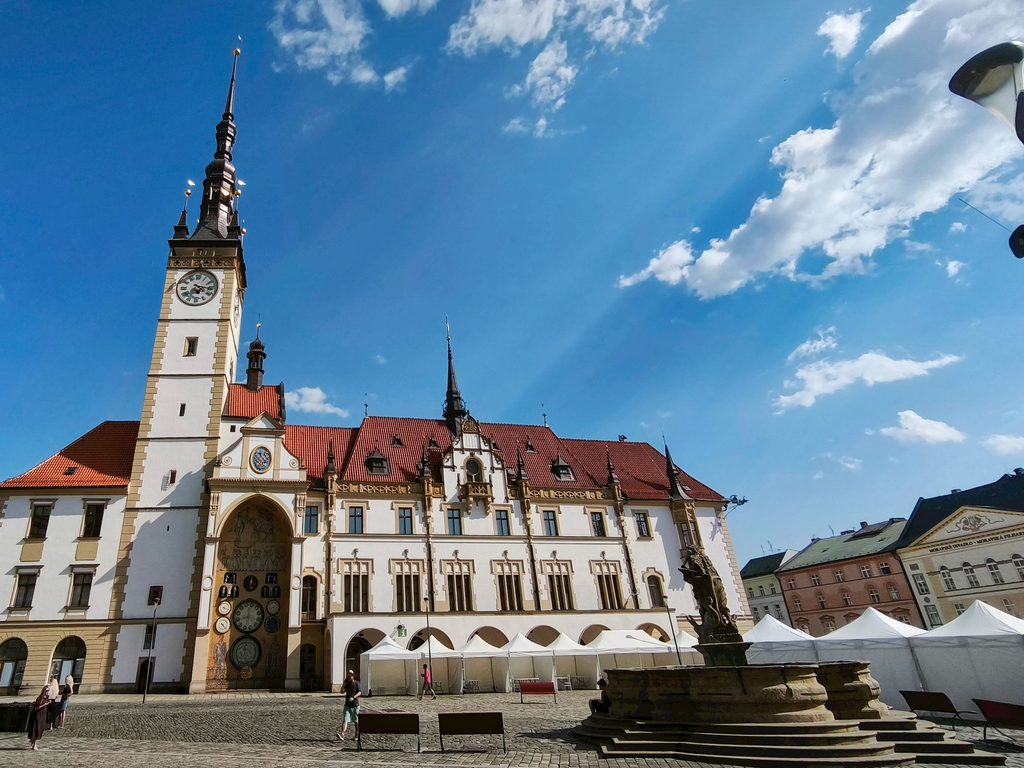
    Olomouc Town Hall with Astronomical Clock

    Trams once crossed the square

    Today, Horní Square feels peaceful and pedestrian-friendly.

    It is hard to imagine trams passing between the historic buildings, but that is exactly what happened.

    The square was once an important meeting point for Olomouc’s tram network. Because the original tram lines were single-track, trams even had to pass each other at designated passing points – and Horní Square was one of them.

    The trams finally disappeared from the square in 1954.

    Today, when there is no event taking place, Horní Square can be surprisingly quiet.

    You can simply wander around, admire the architecture and enjoy the atmosphere.

    There is just one little warning:

    The cobblestones are not exactly the easiest surface for walking.

    But perhaps that is part of their charm.

    Renaissance houses, palaces and fountains

    Look beyond the main landmarks and you will discover plenty of smaller details.

    One of them is Edelmann Palace, a Renaissance building created in the 16th century by joining two Gothic houses. Its richly decorated façade is one of the reminders of Olomouc’s Renaissance past.

    And then there are the fountains.

    Olomouc is famous for its collection of Baroque fountains inspired by ancient mythology. On Horní Square you can see, among others, Caesar’s Fountain and Hercules‘ Fountain.

    And then there is one that is completely different.
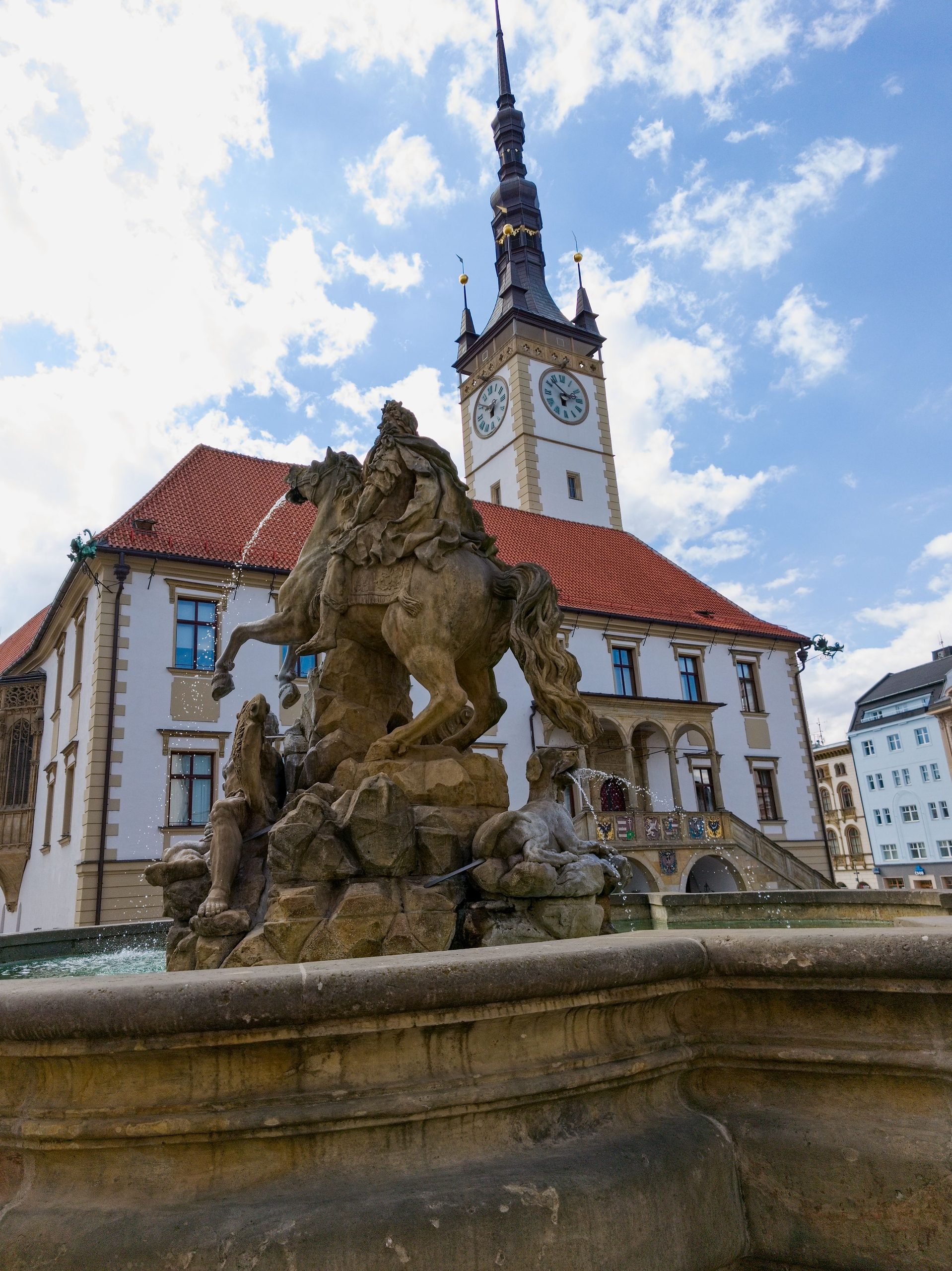
    Caesar’s Fountain

    The Arion Fountain and the turtle children love

    The Arion Fountain was created in 2002 as part of the reconstruction of Horní Square. It was designed by Ivan Theimer, a sculptor born in Olomouc.

    And yes – there is a large turtle.

    In fact, there are several turtle elements in the fountain, making it particularly popular with children.

    But the fountain has another special feature.

    During the summer season, it can literally burst into bloom.

    The city works with Flora Olomouc to create large floral arrangements around the fountain. The colours change during the season, so one visit might bring blue and white flowers, while another might be filled with pink, purple or yellow.

    And there is a reason why flowers are such a big part of Olomouc’s identity.

    Arion’s Fountain Comes to Life with Floral Decorations

    Olomouc – the city of flowers

    Flora Olomouc has been part of the city’s story since 1958 and has become one of the best-known gardening and flower exhibitions in the Czech Republic. It takes place in spring and autumn and has helped make Olomouc known as a city of flowers.

    The connection between the city and flowers goes beyond the exhibition grounds. Floral installations regularly appear in the historic centre, including the Arion Fountain.

    It is one of those little details that makes Olomouc feel different from other Czech historic cities.

    Churches and towers everywhere

    Prague is famous for its hundreds of towers.

    Olomouc obviously cannot compete with that number.

    But walk through the historic centre and you will soon realise that church towers and spires are everywhere.

    The most impressive is probably St Wenceslas Cathedral. Nearby you can also find St Maurice’s Church, St Michael’s Church, the Church of Our Lady of the Snows and many other historic churches.

    Because so many of these buildings are concentrated in a relatively small area, Olomouc can feel surprisingly monumental.
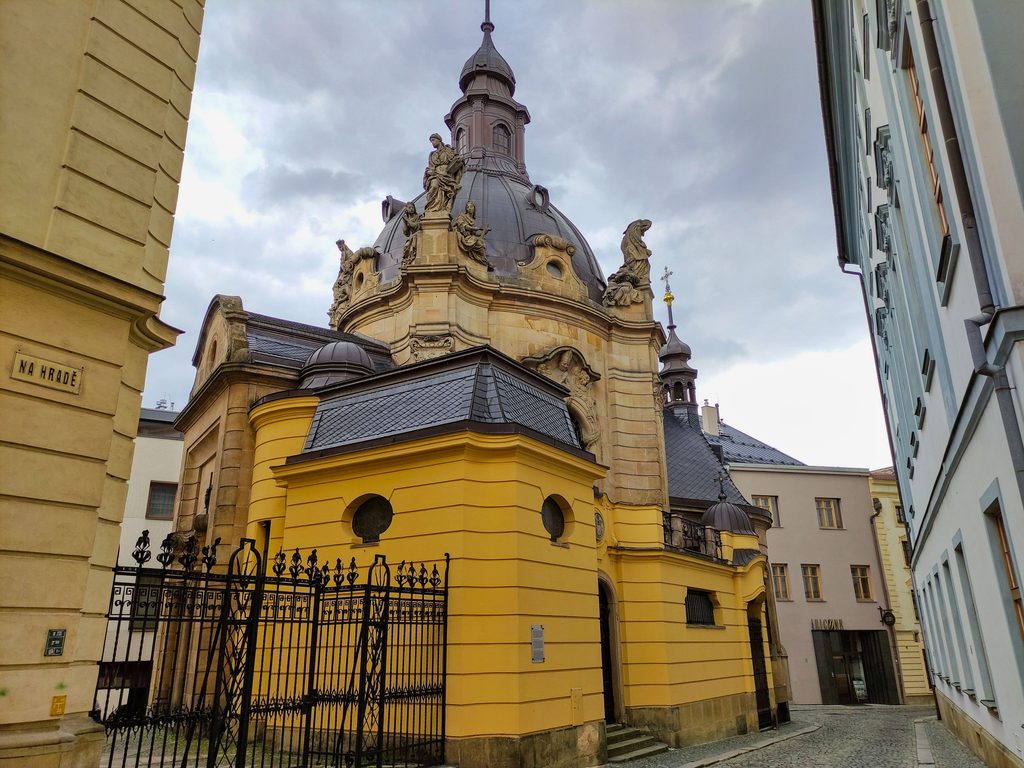
    St. John Sarkander Chapel

    Czech Kings Walked Through Olomouc Too

    Olomouc was not only an important Moravian city. Czech kings also passed through its streets.

    One of them was Wenceslas III, the last male member of the Přemyslid dynasty. His life came to a tragic end in Olomouc. On 4 August 1306, he was murdered at what is now Wenceslas Square. His death marked the end of the Přemyslid dynasty in the male line, a dynasty that had ruled the Czech lands for more than four centuries.

    Today, as you walk through Wenceslas Square near the Cathedral of St Wenceslas, it is easy to overlook the fact that this was the scene of an event that changed the course of Czech history.

    St. Wenceslas Cathedral, also known as St. Wenceslas Dome

    Olomouc is more than its historic centre

    And this is where I think Olomouc becomes even more interesting.

    After exploring the historic centre, you don’t have to move from one monument to another all day.

    Olomouc has beautiful parks surrounding the centre, including Bezručovy Sady, Smetana Gardens and Čech Gardens.

    And then there is the Morava River.

    The river and its embankment offer a completely different side of the city. It is a lovely place for a walk, especially when you want a break from sightseeing.

    You can go from historic streets and Baroque fountains to greenery and the river within a short walk.

    That combination is one of the things I love about Olomouc.
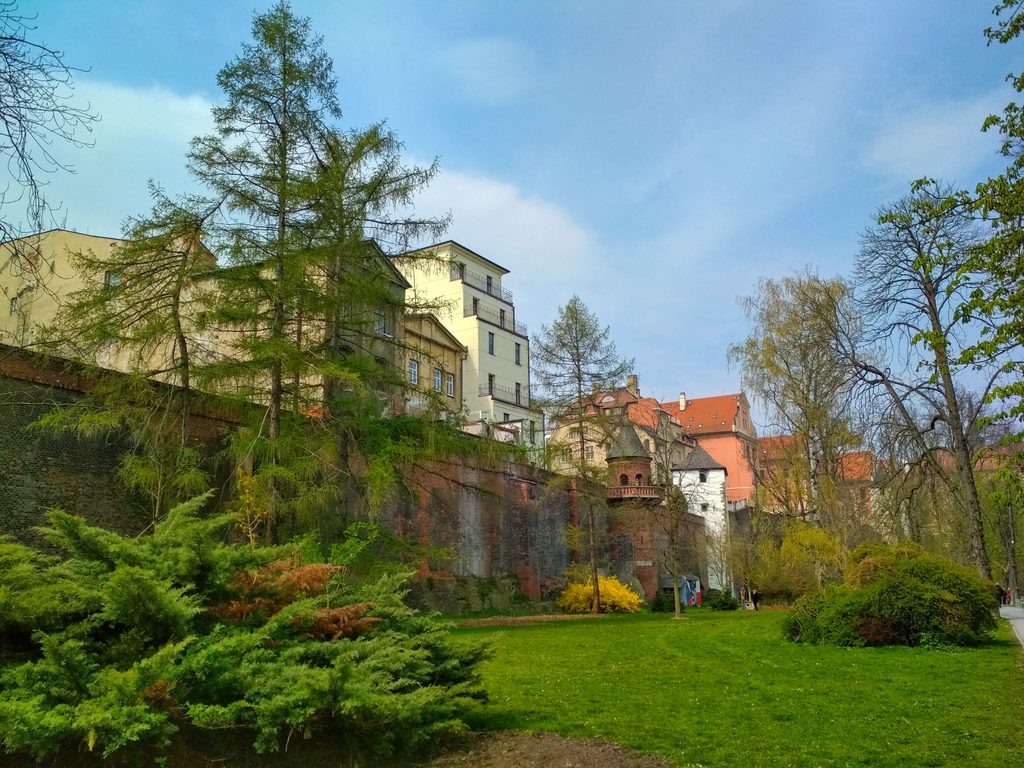
    Bezruč Gardens Park, also known as Michalský Výpad

    So, why visit Olomouc?

    Because you can find a little bit of everything here.

    Historic architecture.
    UNESCO.
    An astronomical clock.
    Baroque fountains.
    Churches and towers.
    An archbishop’s palace.
    A university and student atmosphere.
    Beautiful parks.
    The Morava River.
    Cafés.
    And centuries of history hidden behind the buildings.

    But without the scale and crowds of Prague.

    For me, Olomouc is one of the hidden gems of the Czech Republic.

    It is a city that many international visitors still overlook. And perhaps that is exactly why it is so enjoyable to explore.

    It is well connected by railway and easy to reach from other parts of the Czech Republic. For international visitors, the airports in Brno and Ostrava are also within reasonable reach.

    So the next time you are looking for a Czech city full of history, architecture and atmosphere, you don’t necessarily have to head straight to Prague.

    Give Olomouc a chance.

    You might discover that this little Prague has a character all of its own.

    Want to discover Olomouc in more detail?

    I’m preparing a practical guide to Olomouc and the surrounding area, with detailed itineraries, maps and tips for day trips. If Olomouc has caught your interest, follow Explore with Iveta – the guide will be available right here soon.
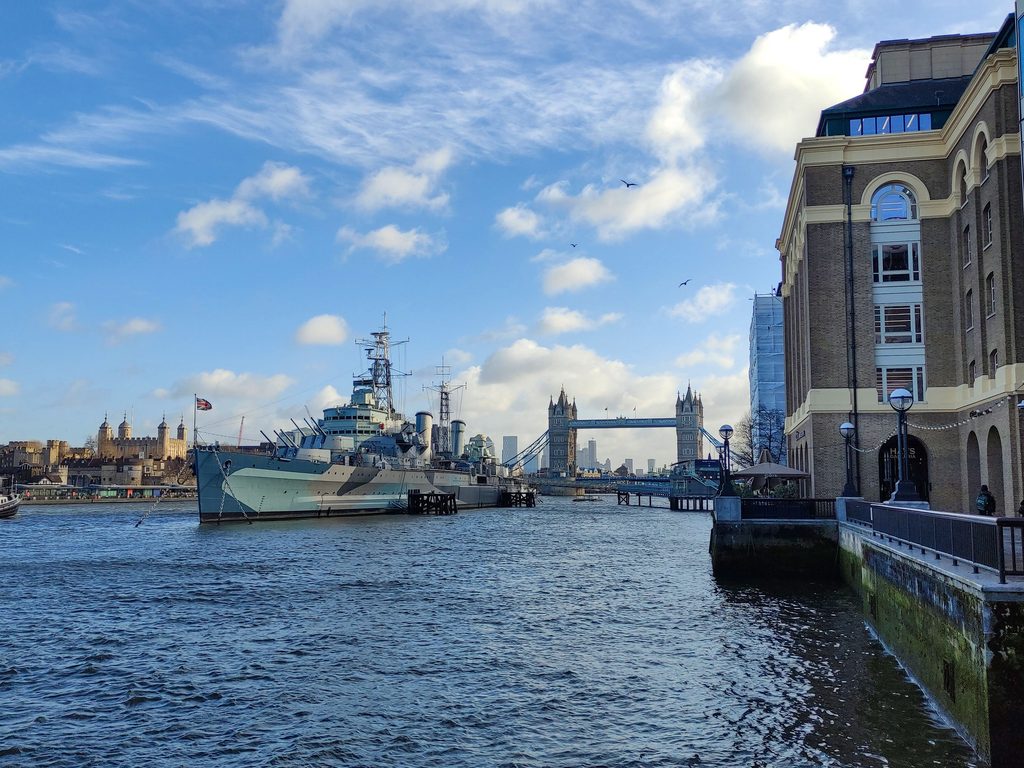
  • London After 30 Years: Why I Wanted My Teenagers to Fall in Love with London Too

    Some cities stay with you.

    You can leave them for years, sometimes even decades, and somehow they never really leave you.

    For me, that city is London.

    I first visited more than 30 years ago. London was one of those places that stayed in my heart long after I had returned home. I remembered the atmosphere, the streets, the red buses, the Underground and the feeling of being in a huge city where there was always something new around the corner.

    Thirty years later, I came back.

    But this time, I had a different reason.

    I wanted to show my sons the London I had loved for so many years.

    And that turned out to be a very different kind of trip.

    I didn’t want to show them just the postcards

    When you visit London for the first time with teenagers, there is an obvious temptation to make a list of the famous sights.

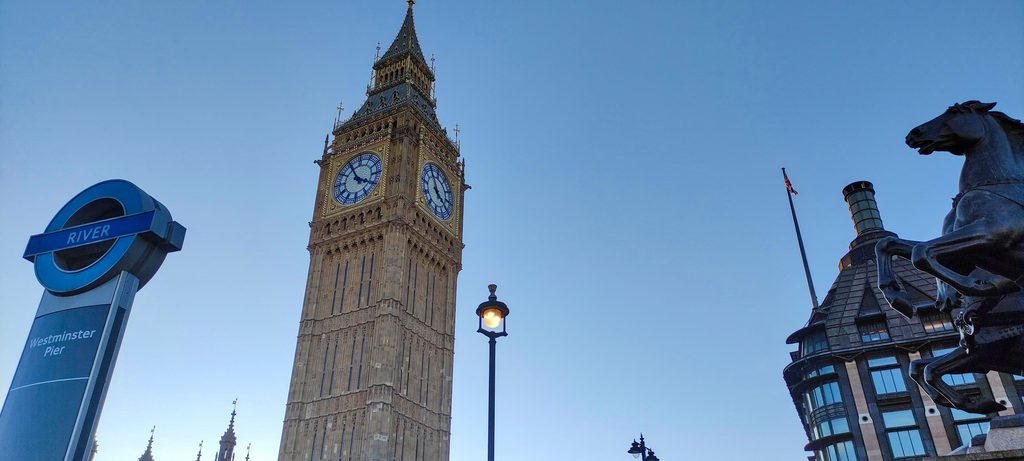
    Big Ben.

    Tower Bridge.

    Buckingham Palace.

    Westminster.

    Tick them off, take some photos and move on.

    Of course, I wanted my sons to see the iconic London. It was their first visit, after all.

    But I wanted something more.

    I wanted them to understand why I had loved this city in the first place.

    I wanted to show them the London beyond the postcards.

    The historic London.

    The modern London.

    The London of museums and architecture.

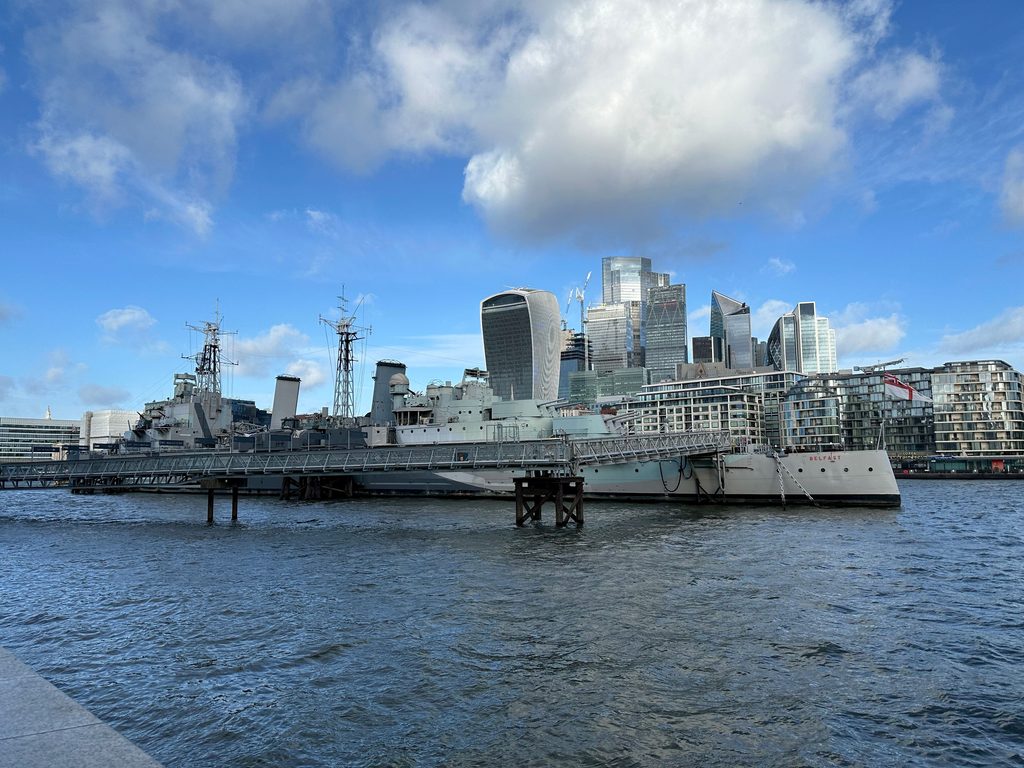
    The London of the Thames.

    The London you experience while travelling on the Tube or sitting upstairs on a London bus.

    And the London you discover simply by walking through it.

    That is how our first London trip with teenagers began to take shape.

    Four days to discover as much of London as possible

    Four days are not enough to see everything London has to offer.

    But they are enough to get your first taste of the city.

    So I tried to create a trip that would give my sons a little bit of everything.

    We visited the iconic landmarks that you simply shouldn’t miss on your first trip.

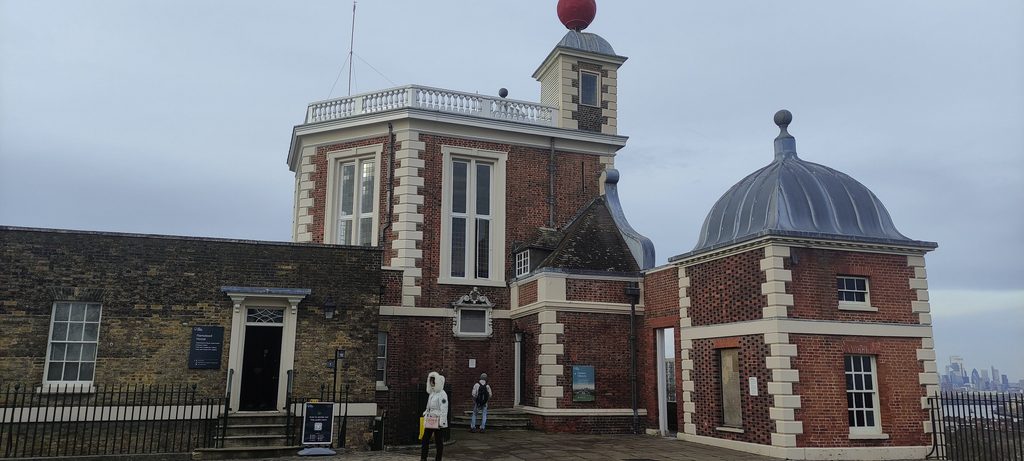
    But we also went to Greenwich, explored museums and discovered parts of modern London.

    I wanted them to see how different London’s neighbourhoods can feel from one another.

    One moment you can be surrounded by centuries of history.

    A short Tube journey later, you are standing among glass skyscrapers.

    And then, suddenly, you are beside the Thames.

    That contrast is one of the things I love most about London.

    I wanted them to see modern London too

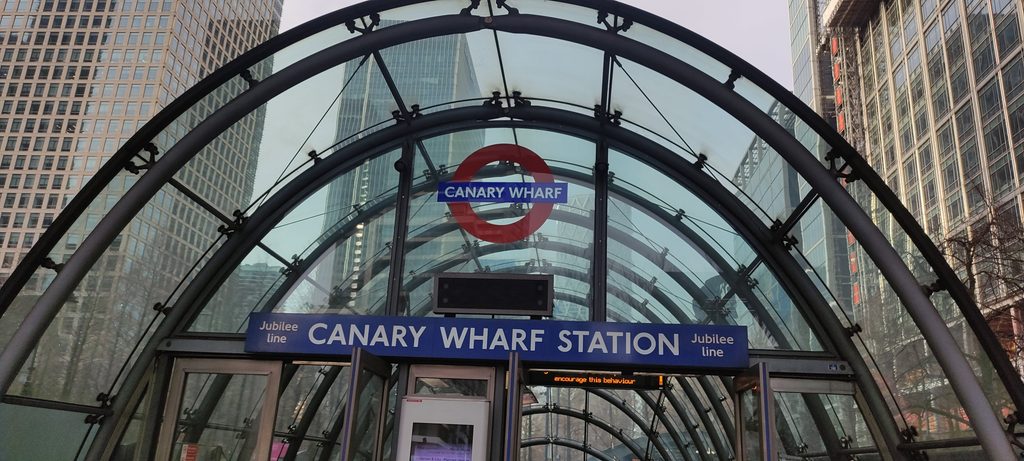
    One of the places I particularly wanted to show them was Canary Wharf.

    It isn’t necessarily the first place people think of when planning a first trip to London.

    But that was part of the reason I wanted to include it.

    I wanted my sons to see that London isn’t just Buckingham Palace and Big Ben.

    Canary Wharf shows another side of the city – modern, ambitious and constantly changing.

    The former docklands have been transformed into a skyline of glass and steel, while the old waterways are still part of the landscape.

    It is a completely different London from the one you see around Westminster.

    And I wanted them to see both.

    And then there was the Thames Barrier

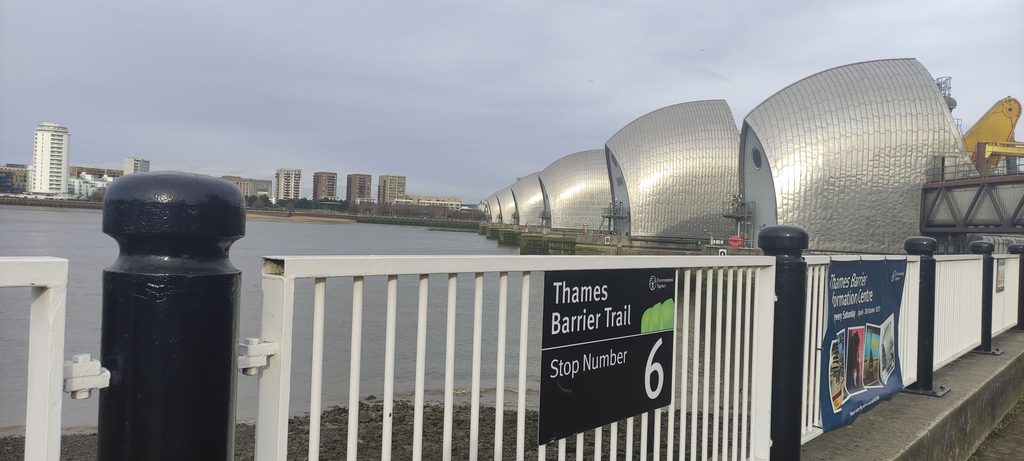
    Another place I deliberately added to our itinerary was the Thames Barrier.

    It might not appear on every standard London sightseeing list.

    But I found it fascinating.

    Because I wanted to show my sons not only the beautiful and historic parts of London, but also how the city actually works.

    The Thames Barrier is an impressive piece of engineering designed to help protect London from flooding.

    And the visit became even more interesting because we didn’t simply arrive, take a photo and leave.

    We walked along the riverside.

    The Thames Path gives you the chance to experience this part of London at a slower pace – with the river, docks, industrial landscapes and the barrier itself all around you.

    This was exactly the kind of experience I was looking for.

    Something they might not have discovered if we had simply followed a traditional list of London’s most famous sights.

    I wanted them to experience London, not just visit it

    That became the main idea behind our trip.

    I didn’t want four days of rushing from attraction to attraction.

    I wanted my sons to experience London.

    So we used the Tube.

    We took buses.

    We walked.

    We crossed different parts of the city.

    We visited museums.

    We looked at old buildings and new skyscrapers.

    We stood beside the Thames.

    We explored Greenwich.

    And yes, we visited the famous landmarks too.

    Because a first trip to London should include them.

    But I wanted the trip to be more than a collection of photographs.

    I wanted them to come home with a feeling for the city.

    London after 30 years

    For me, returning to London after three decades was emotional in a way I hadn’t quite expected.

    Some things had changed enormously.

    Some places were almost unrecognisable.

    And some things still felt wonderfully familiar.

    But this time I wasn’t simply comparing today’s London with the London I remembered.

    I was seeing it through my sons‘ eyes too.

    And that made me notice things I might otherwise have walked past.

    The modern skyline.

    The engineering of the Thames Barrier.

    The contrast between old and new.

    The way the Tube connects completely different parts of the city.

    The energy of the streets.

    The sheer scale of London.

    In a strange way, I was discovering London all over again.

    The real test came afterwards

    There is one thing you never quite know when you plan a family trip.

    Will everyone actually enjoy it?

    I knew why I loved London.

    But I wasn’t sure whether my teenage sons would feel the same way.

    So I was particularly happy when, after the trip, they didn’t say:

    „We’ve seen London now.“

    They said:

    „We want to go back.“

    And that was probably the biggest compliment my itinerary could have received.

    Why I created this London itinerary

    This is the reason our London itinerary for teenagers is not simply a list of attractions.

    It grew out of a very personal idea:

    I wanted to show my sons the London I had loved for more than 30 years.

    I wanted to give them the classic first-time London experience, but also show them the places that reveal another side of the city.

    Iconic landmarks.

    Greenwich.

    Museums.

    Modern London.

    Canary Wharf.

    The Thames Barrier.

    A walk along the Thames.

    The Tube.

    London buses.

    And all the little moments in between.

    Because for me, a successful first trip to London wasn’t about seeing absolutely everything.

    It was about giving them a reason to want to come back.

    And it seems we managed that.

    Would you like to explore London like we did?

    I’ve turned our experience into a 4-day London itinerary for a first visit with teenagers – combining the must-see sights with Greenwich, museums, modern London and some of the less obvious places that made our trip special.

    It is the itinerary I created because I wanted my sons to see the London I love.

    And perhaps, just perhaps, fall in love with it too.

  • My Favorite Beaches in Zakynthos: The Places I Would Return To

    When I think of Zakynthos, I don’t remember just one perfect beach.

    I remember several.

    Some were small and peaceful, some were a little more adventurous, and others were connected with something much more important than swimming and sunbathing – the sea turtles that return to Zakynthos every year.

    We visited the island by car, walked along the coast and even explored it from the sea. And somewhere along the way, I realized that my favorite beaches weren’t necessarily the most famous ones.

    They were the places where I simply felt good.

    Agios Sostis – my everyday beach

    We stayed in Agios Sostis, so we had a small sandy beach practically on our doorstep.

    And I loved that.

    There was no need to get into the car, pack half the apartment and decide where to go.

    I could just put on my swimsuit, grab a towel and walk to the sea.

    The beach is relatively small, with a gentle entrance into the water. During the quieter part of the season, it can be wonderfully peaceful.

    For me, that made it perfect for everyday swimming.

    And sometimes that is exactly what I want from a beach.

    Not a famous viewpoint.

    Not a place I have to photograph from twenty different angles.

    Just somewhere I can come back to every morning.

    Keri Beach – the place where I could imagine staying all week

    Keri Beach was one of those places that surprised me.

    I hadn’t arrived thinking, This is where I want to stay.

    But after spending some time there, I found myself thinking exactly that.

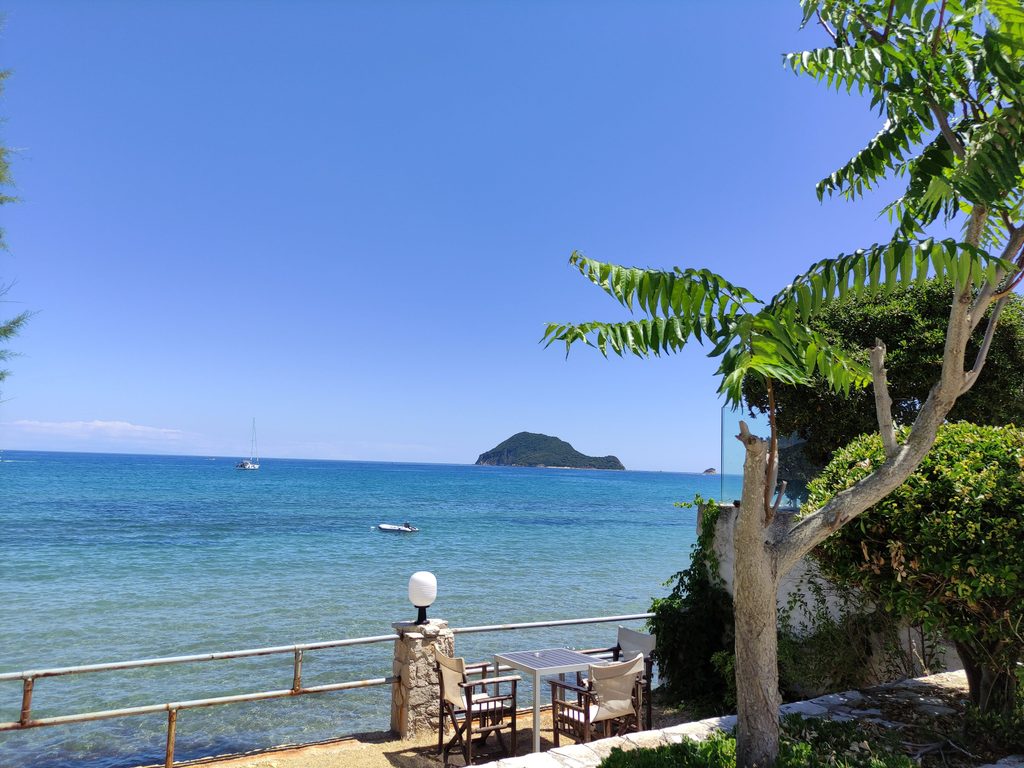
    There is a pleasant setting, useful facilities and a pier extending into the sea. I especially liked the feeling of being able to sit by the water, watch the boats and simply enjoy the atmosphere.

    It also felt like a place where you could easily combine a relaxing beach holiday with boat trips along the coast.

    And that is probably why Keri stayed in my mind.

    If I came back to Zakynthos and wanted a slower holiday this time, Keri Beach would be one of the places where I would look for accommodation.

    I could quite happily imagine waking up there, walking to the sea and going for a swim every morning.

    Laganas – a different kind of beach day

    Laganas felt completely different from Agios Sostis.

    It is larger, busier and much more touristy.

    We came here mainly to see another part of the coast and experience a different atmosphere.

    After the quieter Agios Sostis, I noticed the difference immediately.

    But that’s also part of the fun of Zakynthos.

    Two places can be only a few kilometres apart and feel like completely different holidays.

    Gerakas – a beach that belongs to the turtles

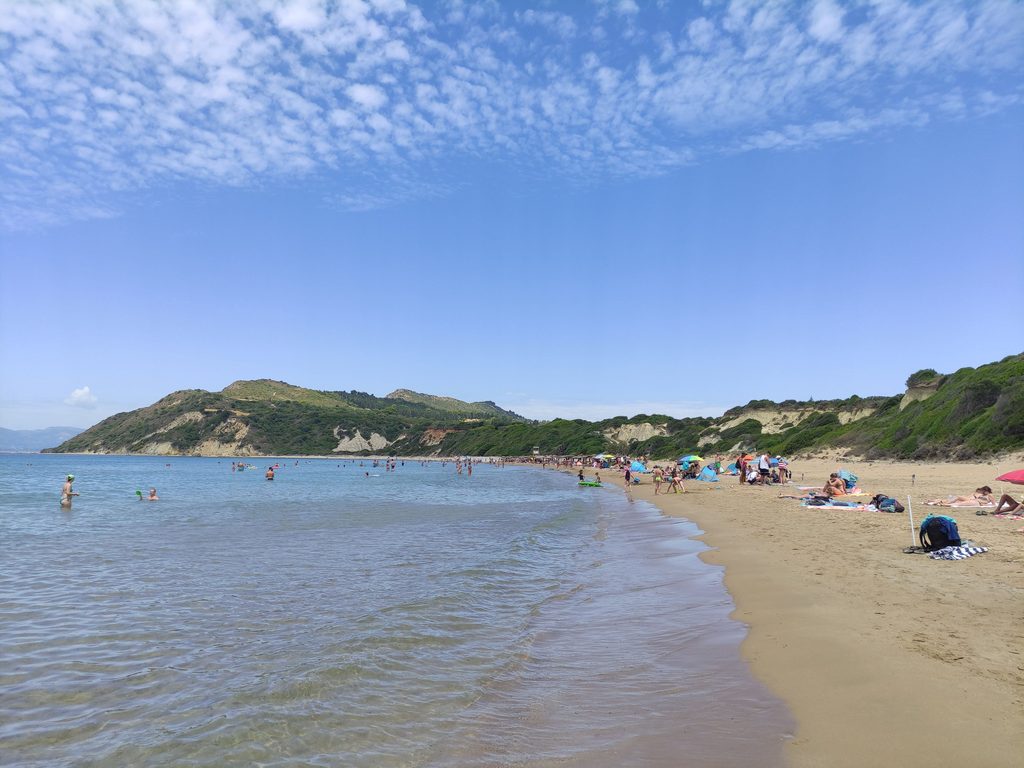
    Gerakas is beautiful.

    Soft sand, clear water and a beautiful setting.

    But the thing I remember most isn’t simply how it looked.

    It was the feeling that this beach wasn’t really here just for us.

    Gerakas is one of the important nesting areas for the loggerhead sea turtle, Caretta caretta.

    That means there are rules visitors have to follow to protect the turtles and their nests.

    And honestly, I like that.

    Sometimes we need to remember that we are visitors in a place that existed long before we arrived.

    The beach doesn’t have to adapt completely to us.

    We can adapt to it.

    Dafni – my idea of a hippie beach

    Getting to Dafni was a little adventure in itself.

    The road is not exactly the kind of road where you want to test how fast your rental car can go.

    Let’s just say I was very happy to take it slowly.

    But then we arrived.

    And Dafni was exactly what I had imagined a hippie beach to look like.

    A little wild, a little relaxed, not overly polished and surrounded by nature.

    It had character.

    And that is often what I remember most from places I visit.

    Not whether everything was perfect.

    But whether the place had its own personality.

    Marathonisi – a beach reached by boat

    Marathonisi was different again.

    We didn’t drive there.

    We reached the small island by boat during our trip along the southern coast.

    From a distance, the island’s shape resembles a turtle, which is why it is known as Turtle Island.

    It is part of the protected area of the Zakynthos National Marine Park and is associated with the protection of Caretta caretta turtles.

    There are small beaches where you can swim, but the important thing is to respect the protected areas and the rules designed to protect the turtles.

    For me, however, the journey there was almost as memorable as the beach itself.

    Seeing the island from the sea was something completely different.

    And then there was the sea itself

    Some of the places we visited weren’t really beaches at all.

    They were rocky coves, sea caves and small stretches of coast that can only be properly appreciated from a boat.

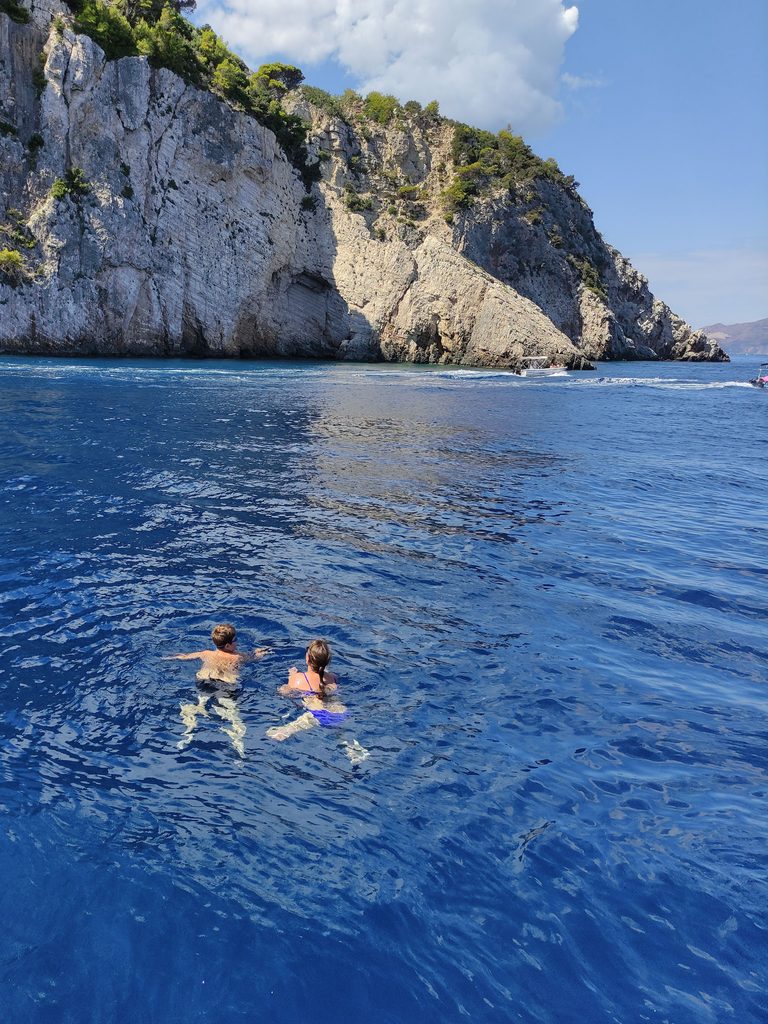
    We stopped near Cape Marathia and had the chance to jump into the sea straight from the boat.

    The water was an almost unbelievable shade of blue.

    I remember standing there thinking:

    That can’t really be the colour of the sea.

    It was.

    And then came the second thought:

    How deep is it?

    I decided I didn’t really need to know.

    I jumped in anyway.

    Which beach was my favorite?

    I honestly can’t choose just one.

    Agios Sostis was my beach for everyday swimming and doing absolutely nothing.

    Keri Beach was the place where I could genuinely imagine staying for a whole week.

    Gerakas reminded me that beautiful places don’t belong only to tourists – they belong to nature too.

    Dafni was a little adventure and exactly the kind of hippie beach I had always imagined.

    Marathonisi was part of an unforgettable boat trip and a reminder of why Zakynthos is so closely connected with sea turtles.

    And perhaps that is what I loved most about Zakynthos.

    There wasn’t just one perfect beach.

    There were many different ones, each with its own atmosphere.

    Somewhere to swim.

    Somewhere to explore.

    Somewhere to sit and watch the boats.

    And somewhere to realize that you really don’t need to do anything at all.

    Sometimes the best part of a Greek island holiday is simply having the sea a few steps away.

  • London After 30 Years: Rediscovering a City of Many Faces, from Docklands to Canary Wharf

    When I returned to London after thirty years, I realised one thing – London is not just about historic landmarks like the Houses of Parliament, Big Ben or Tower Bridge.

    London has many faces.

    The first one, and the one most visitors fall in love with, is iconic and historic. Red buses, red telephone boxes, royal palaces and streets filled with that unmistakable London atmosphere.

    But the London I knew in the 1990s is long gone. Over the past thirty years, the city has transformed into a modern metropolis filled with glass skyscrapers, new neighbourhoods and places that simply didn’t exist in the London I remembered.

    When I compare London then and now, I have to admit that I still prefer its older version a little – without the London Eye, without endless glass towers and without today’s hectic pace.

    And yet, there is one transformation that really caught my attention.

    The London Docklands.

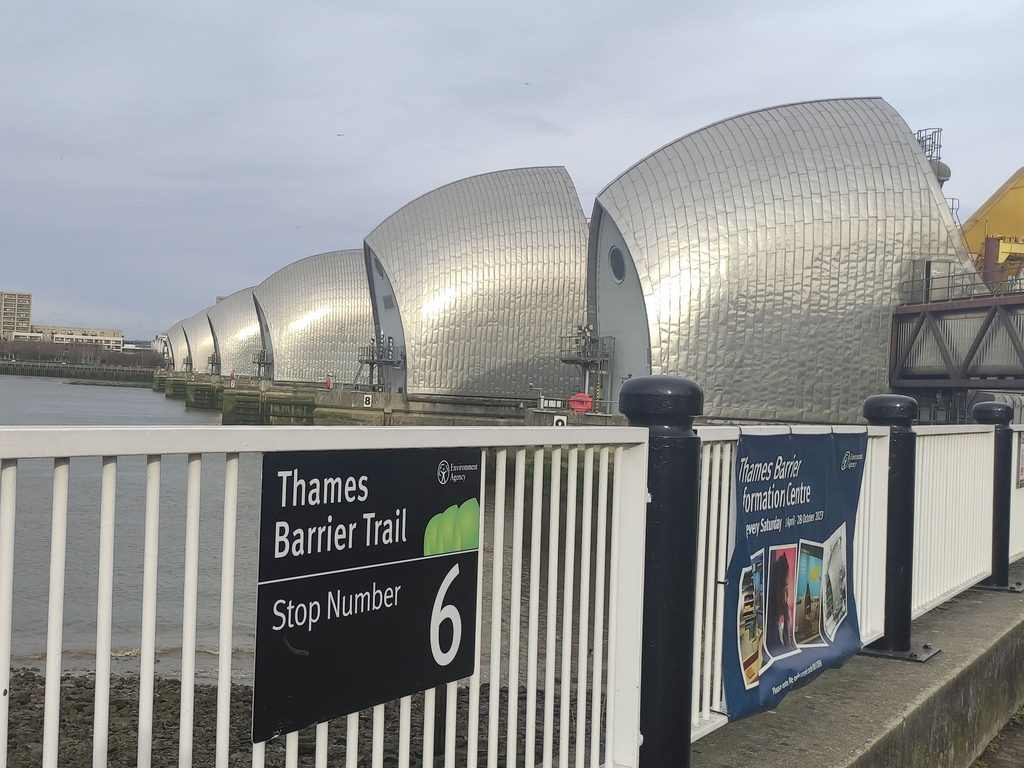
    Thames Barrier – A Futuristic Landmark on the Thames

    Our journey into modern London began at the Thames Barrier.

    This huge structure was built in response to the devastating floods of 1953, when rising water caused widespread damage across London. Its purpose is to protect the city from tidal surges and prevent seawater from reaching central London.

    The barrier became operational in 1982 and is still one of the largest movable flood barriers in the world.

    At first glance, it looks almost like something from a sci-fi movie – or even Transformers. Huge metal gates rise from the river when the barrier is closed, creating a powerful defence against flooding. The design of the silver domes is surprisingly timeless, and the technology was truly remarkable for its time.

    The barrier is tested regularly, so if you are interested in engineering and technology, it is worth planning your visit around one of the testing periods.

    You can find more information about visiting the Thames Barrier here.

    Thames Barrier – London’s Futuristic Flood Defence

    A Walk Along the Thames – A Side of London Many Tourists Miss

    From the Thames Barrier, we continued on foot along the river towards North Greenwich Station.

    It is about a 1.5-kilometre walk along the Thames Path, a marked trail following the river.

    And this part of London was perhaps even more enjoyable for me than the crowded tourist spots in the city centre.

    Here, you discover a completely different side of London:

    • remnants of the old docks,
    • modern residential buildings,
    • industrial corners,
    • street art,
    • hardly any tourists.

    It feels like a different London – at times almost slightly industrial or even post-apocalyptic. A place where you can still sense the history of the Docklands.

    I recommend bringing some water with you, as there are not many places to stop for refreshments along the way.

    And if you don’t feel like walking the entire route, you can shorten the journey by taking a bus for part of the way.

    Canary Wharf – A City of the Future Among the Old Docks

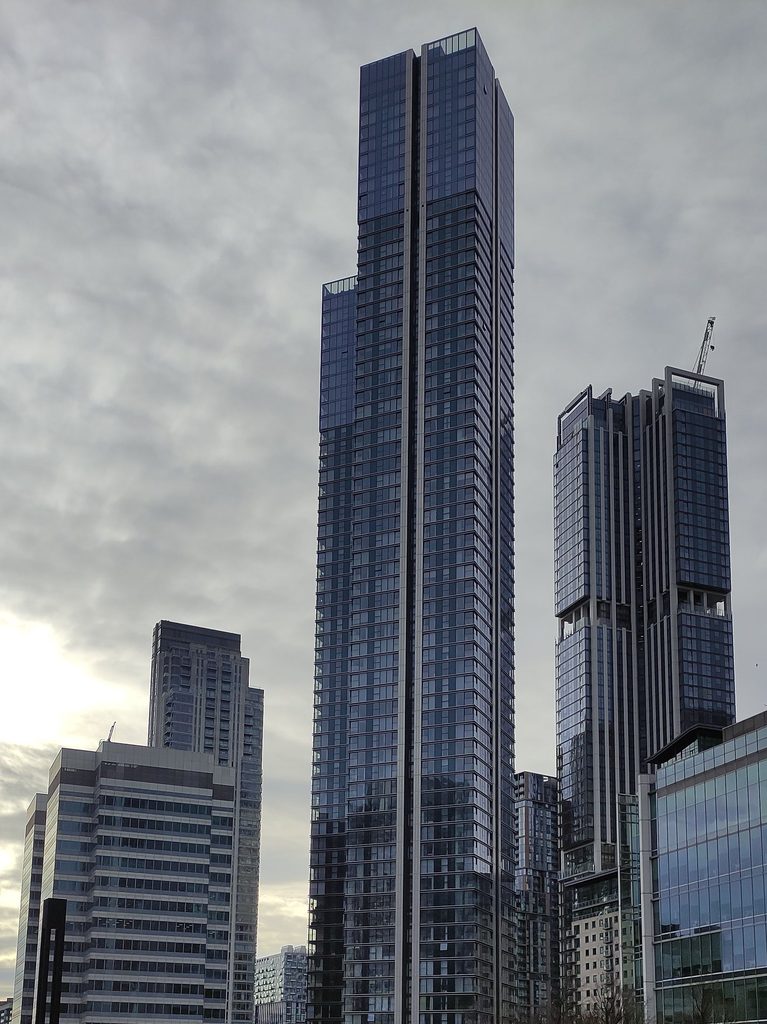
    Canary Wharf – Modern London on the Site of the Old Docks

    And then came the contrast that really surprised me.

    Canary Wharf.

    A place that today feels like a futuristic city filled with skyscrapers, glass, water and bridges.

    We visited on a Saturday in January around midday, and what greeted us was almost complete emptiness. Something you don’t see very often in London.

    After the hustle and bustle of the city centre, it was probably the quietest place we visited during our entire trip.

    Canary Wharf is incredibly photogenic. You’ll find modern architecture, sculptures, light installations and contemporary art. I recommend taking your time and simply wandering along the waterways.

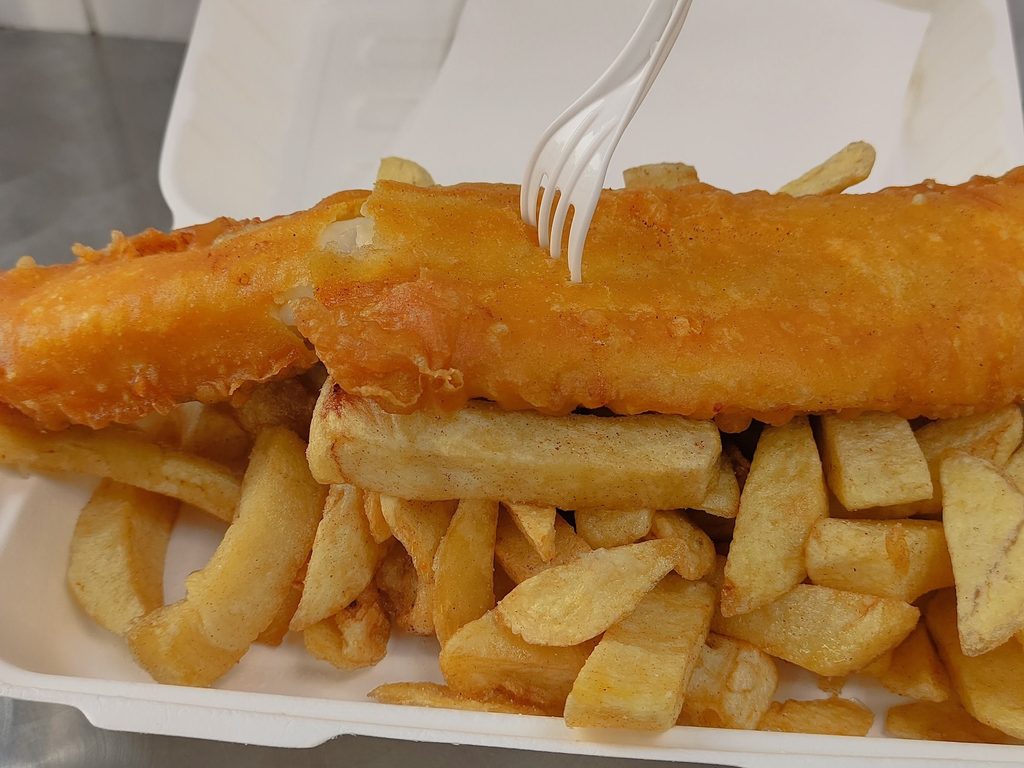
    And yes – we even found some fish and chips here.

    I was secretly hoping to find the classic fish and chips served in a paper cone, just as I remember them from thirty years ago. Sadly, even local Londoners confirmed that this tradition has almost disappeared.

    Fish and Chips in Canary Wharf – Where Is the Paper Cone I Remember?

    How London’s Docks Became a European Financial Centre

    Walking through Canary Wharf, it is almost hard to believe that this was once home to some of the busiest docks in the world.

    For almost two centuries, ships arrived here carrying cargo such as coffee, sugar, rum and timber. The Isle of Dogs was at the heart of London’s trade and industry.

    The West India Import Docks opened as early as 1802, and it was trade that gave this part of London its importance. The name Canary Wharf came from the fruit and vegetable trade with the Canary Islands.

    With the rise of container shipping, however, the docks gradually lost their importance. Their decline began in the 1960s and 1970s, and most of the docks eventually closed in 1980.

    But instead of disappearing completely, the area underwent a remarkable transformation.

    In 1987, the Canary Wharf project was launched – one of the largest urban regeneration projects in Europe. Its landmark became One Canada Square, a skyscraper that symbolised London’s ambition to become one of Europe’s leading financial centres.

    Historical source: Chelsea Construction Consultancy – The Continued Evolution of the London Docklands through to 1990 when it became Canary Wharf, 2021.

    What Surprised Me Most?

    What surprised me most was probably how naturally two completely different faces of London can exist side by side.

    The old docks, where trading ships once moored, now stand alongside glass towers belonging to global companies.

    History hasn’t disappeared. It has simply been given a new look.

    And perhaps that is exactly what makes London so fascinating. It is constantly changing, yet layers of its past are still there, waiting to be discovered.

  • Edinburgh in 4 Days: What to See on Your First Visit

    Our family itinerary was full of history, viewpoints, walks and one little trip to the iconic Forth Bridge.

    Edinburgh was the beginning of our Scottish adventure. We are still planning a longer journey through Scotland, but because we wanted to enjoy Edinburgh at a slower pace, we decided to spend four days there.

    Edinburgh is exactly the kind of city where you can walk around all day and still feel that there is something you have missed.

    Historic streets, a castle rising above the city, narrow lanes, green parks, views from the hills and modern architecture. And when you feel you have seen Edinburgh from every possible angle, you can simply catch a train and be by the sea a little later.

    Four days were enough for our first introduction. But definitely not enough to discover the whole city.

    So here is Edinburgh as we experienced it.

    Our first evening in Edinburgh

    We arrived in the evening, it was already dark and my roaming was not working at all.

    Suddenly, I had to start functioning as if we were back in the days before Google Maps, online timetables and everything else you can find on the internet with one click.

    We walked outside and, luckily, there were buses right in front of the airport. I checked a few stops and started figuring out which one would take us closest to our accommodation.

    Good thing I speak English. Although understanding a Scotsman is not quite the same as understanding a Brit. 😁

    In the end, we took the Airlink 100 City Centre Express, which brought us to Edinburgh West End in about 30 minutes.

    We checked in, bought something for breakfast and went to rest.

    We did not see Edinburgh that evening. It was hidden in the dark — and actually, we did not mind at all.

    The morning Edinburgh started to win us over

    The next morning, we set off on foot towards Edinburgh Castle.

    The streets were almost empty. After about fifteen minutes, we walked through a typical Edinburgh street with shops, a school and old townhouses, and suddenly Grassmarket opened up in front of us.

    The square immediately caught my attention.

    At the time, I had no idea how much history was hidden there. Only later did I discover that, in medieval times, Grassmarket was a busy market full of livestock and merchants. It was also a place of public executions, which gave it a rather dark reputation.

    Today, it feels completely different.

    Colourful buildings, restaurants, pubs and, above all, Edinburgh Castle rising directly above the square make Grassmarket one of those places you can easily fall in love with on your first visit.

    And my husband surprised me too.

    He had not been particularly keen on Edinburgh in the beginning.

    “Everyone goes to Dubai,” he argued. 😁

    But something changed here.

    He looked around for a while and then said:

    “This is beautiful.”

    And I think that was the moment Edinburgh gained another fan.

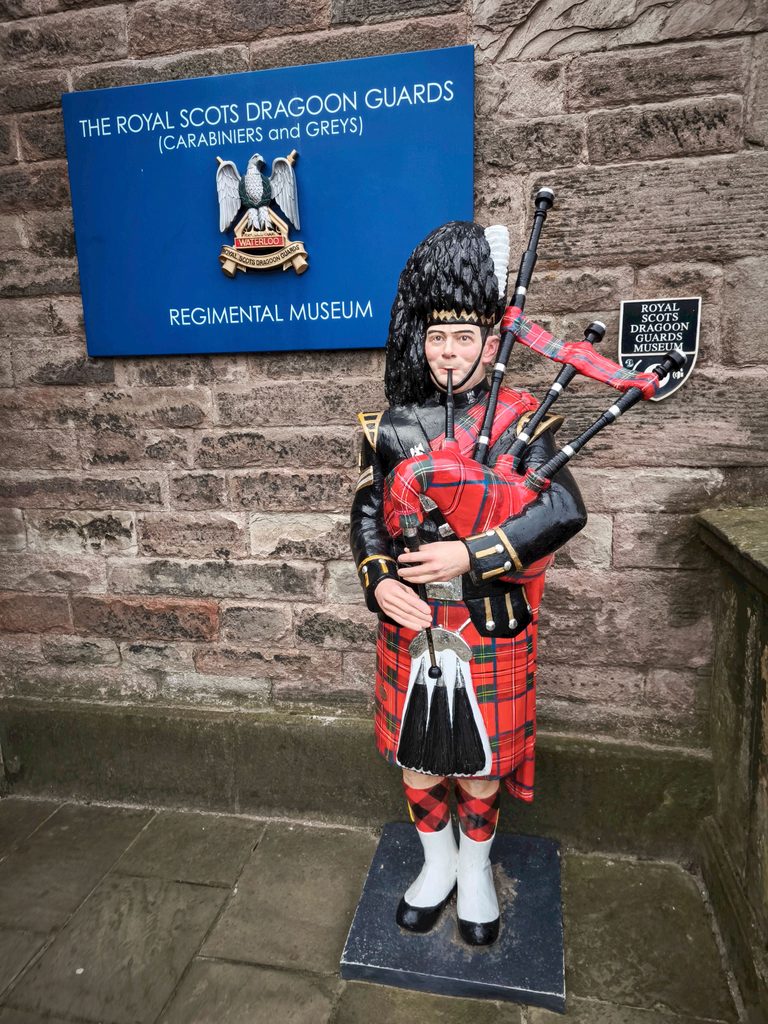
    The atmosphere of Scotland was made even more convincing by a little souvenir shop — kilts, bagpipes, scarves and all the things that immediately remind you that you really are in Scotland.

    This was the moment we really started to feel like we were in Scotland.

    Edinburgh Castle: our first encounter with history

    Edinburgh Castle rises above the city, and on your first visit, it is almost impossible to avoid.

    We climbed up from Grassmarket and soon realised that photographs can be a little misleading.

    It really is uphill. 🙂

    The castle itself did not disappoint us.

    We spent about two hours there, walking through the courtyards and exhibitions.

    What I enjoyed most were the stories connected with Scottish history and the views over the city.

    I also bought an audio guide. If you understand English, I would definitely recommend it. You can listen to interesting stories about the castle as you move around, and the guide remains in the app on your phone even after your visit.

    So you can listen to some of the stories again at home and, for a moment, return to Edinburgh.

    Our son, however, found his own attraction — a robotic lawnmower that was bravely managing the steep slope around the castle. 😁

    And that is one of the lovely things about travelling with children.

    You think you are going somewhere for the history, and your child comes home with a completely different memory.

    I would definitely buy tickets to Edinburgh Castle in advance.

    A touch of Scottish atmosphere at Edinburgh Castle

    When you need to slow down

    After the historic centre, we headed to Princes Street Gardens.

    We wanted to see the castle from a completely different angle, and I had another reason too — I wanted to visit Waterstones.

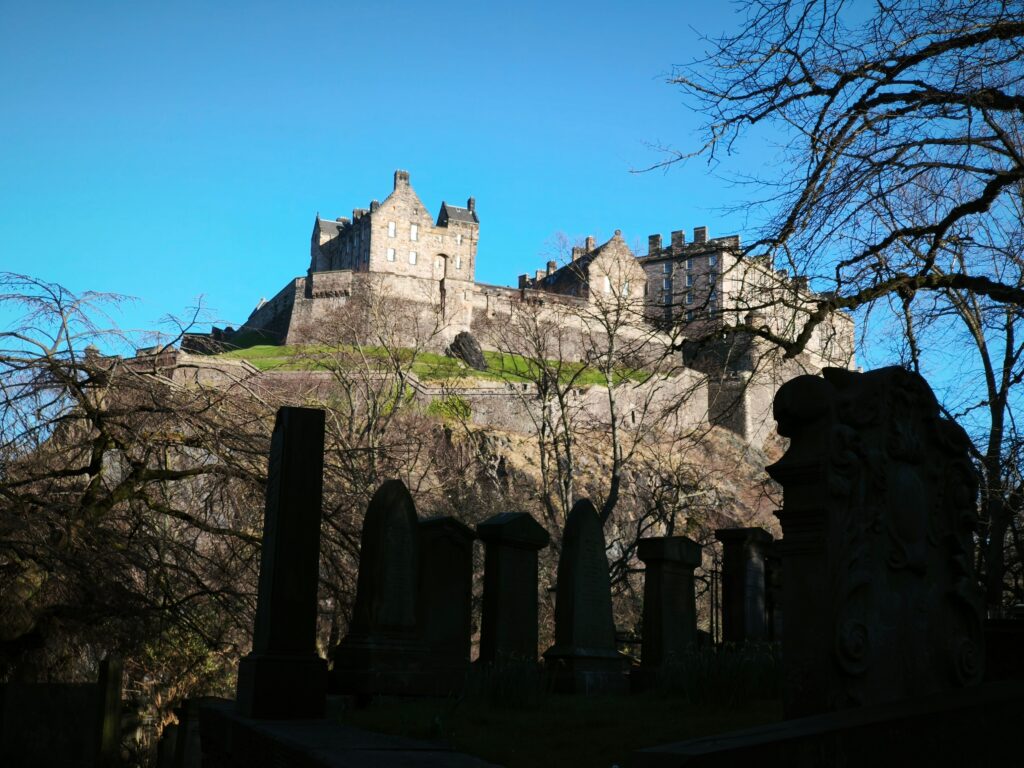
    On the way to the park, we passed some old gravestones, which gave the place a slightly mysterious atmosphere.

    It is quite remarkable how a busy city can turn into a peaceful place directly beneath the castle within just a few steps.

    We walked as far as Ross Fountain, where there is a beautiful view of Edinburgh Castle.

    The ornate cast-iron fountain also has an interesting story. In 1862, it caught the attention of Edinburgh arms manufacturer Daniel Ross at the Great Exhibition in London. He bought it and donated it to the city. It arrived in Edinburgh in 122 pieces and was installed in Princes Street Gardens in 1872.

    From there, we went up to Princes Street and headed for Waterstones.

    I have a weakness for bookshops, and I often bring home a book from my travels as a souvenir.

    I could not resist this time either.

    Then we started looking for something to eat.

    We wanted to experience the atmosphere of a typical British pub, so we headed to Rose Street. We were lucky — The Rose & Crown was having Happy Hour, so we had a good meal at a pleasant price.

    After a morning full of history and walking, it was nice to slow down for a while.

    But our day in Edinburgh was far from over.

    Old gravestones, a castle towering above you, and the feeling that every place here has its own story.

    And then we took a little trip to the sea

    One of my favourite moments was deciding to leave Edinburgh for a while.

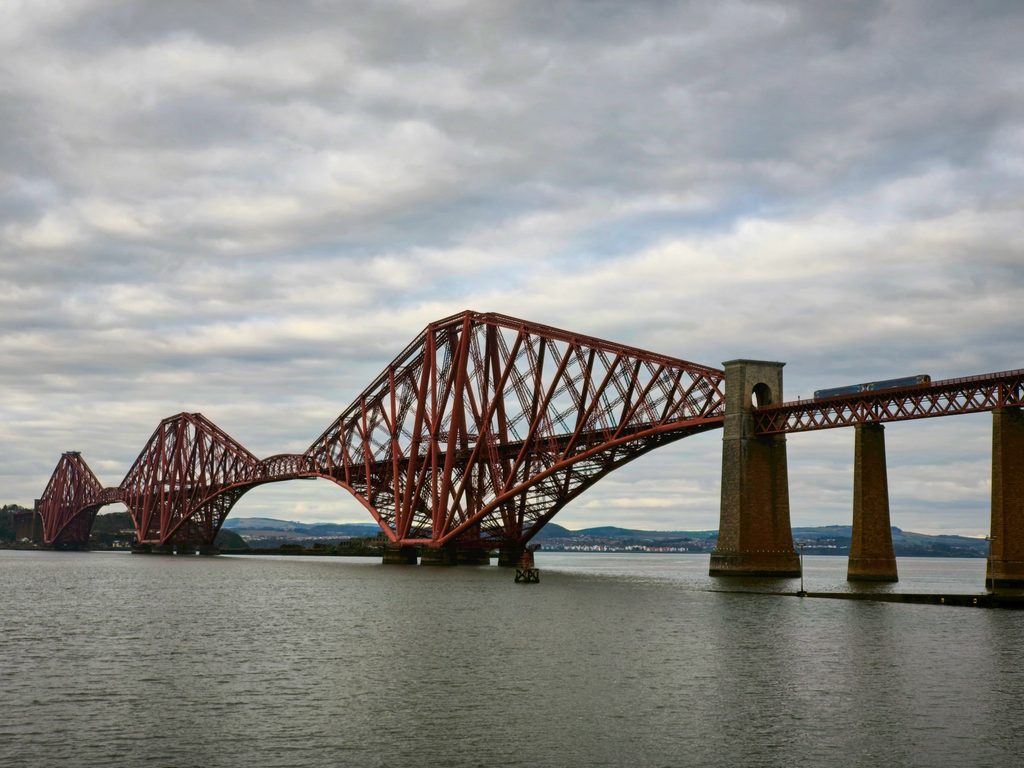
    We took a train from Haymarket to get a little taste of local life and got off at Dalmeny station. From there, we walked towards the small town of South Queensferry. For a while, we followed a path I would probably best describe as a bit of a bush track — and then, suddenly, the Forth Bridge appeared in front of us, an enormous red railway bridge stretching across the Firth of Forth.

    It was a completely different side of Scotland.

    South Queensferry is a small seaside town with colourful houses, a harbour and views of all three bridges.

    We visited in March, so it was wonderfully quiet, with very few tourists around. There was just one thing I was disappointed about. The puffin boat trips only start later in spring, when the puffins return here to nest, so we didn’t get to see them this time.

    We’ll just have to save the puffins for next time.

    Forth Bridge – the moment Edinburgh revealed a completely different side of Scotland

    Edinburgh looks even better from above

    The next morning, we returned to Grassmarket — but this time from above.

    We walked up a little lane with steps called The Vennel Viewpoint, and suddenly an incredible view of Edinburgh Castle opened up in front of us.

    It was interesting to see the castle from yet another perspective.

    We had already explored it, seen it from Grassmarket and from Princes Street Gardens, but here, between the stone steps and old buildings, it looked perhaps the most photogenic of all.

    From there, we continued to the National Museum of Scotland.

    A huge museum where, in my opinion, everyone can find something to enjoy.

    History, nature, science, technology — and the famous sheep Dolly.

    We ended up spending the whole morning there, and we could easily have stayed longer.

    The building itself is beautiful, and you can also go up to the rooftop, where there is a wonderful view over Edinburgh.

    And it is all free.

    It is also a great place to escape if it starts raining in Edinburgh.

    The place where we spent the whole morning – the National Museum of Scotland

    Royal Mile and the stories you can easily miss

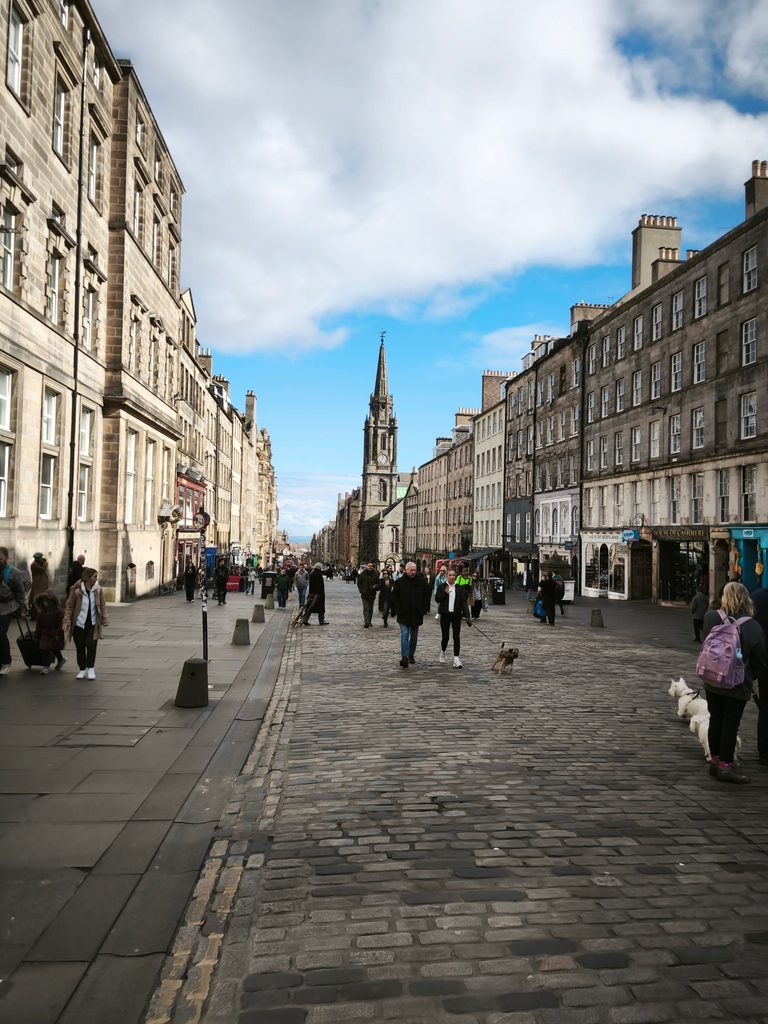
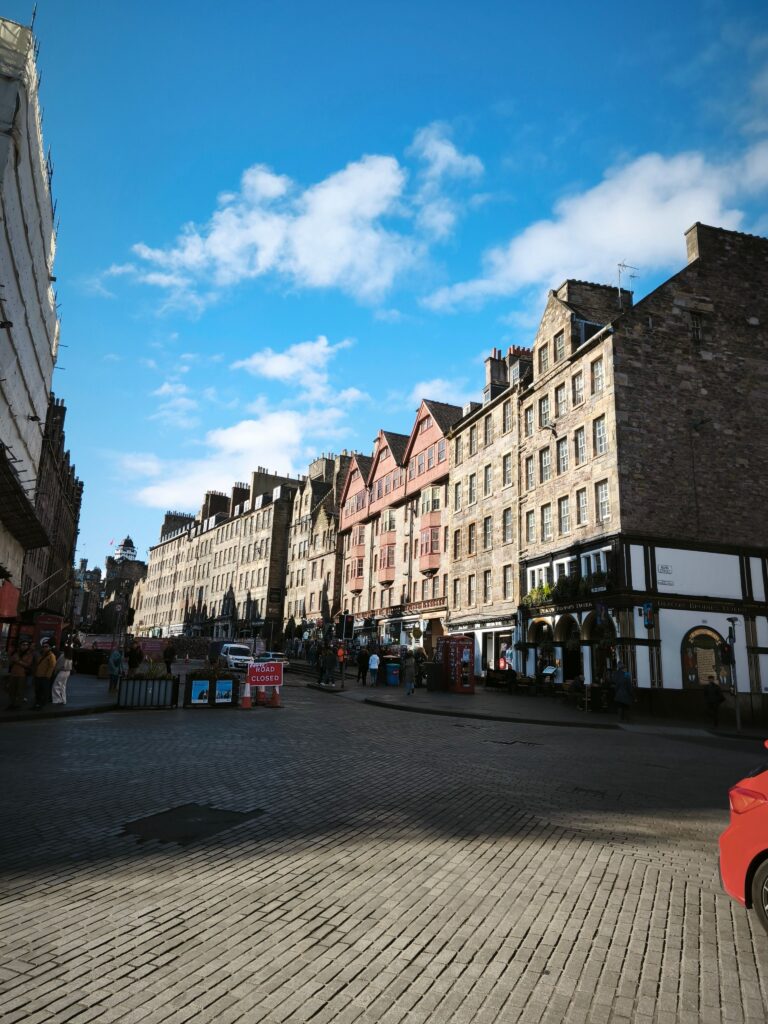
    At lunchtime, we returned to the city centre and walked along Royal Mile.

    It is Edinburgh’s main historic street, connecting Edinburgh Castle with the Palace of Holyroodhouse.

    Of course, it is one of the most popular places in the city, but even here, you can discover things you might otherwise simply walk past.

    A local Scotsman, for example, pointed out a small plaque commemorating the last public execution in Edinburgh.

    It took place in 1864, and the man executed was George Bryce.

    You can find the plaque at the corner of Lawnmarket and George IV Bridge.

    Look for a small brass plaque on the wall. Directly below it, three brass markers in the pavement indicate where the gallows once stood.

    Without being told about it, we would probably have walked past without noticing.

    And that is what I enjoyed about Edinburgh.

    Even in the busiest places, there are stories that are not immediately visible.

    Royal Mile – Edinburgh’s historic heart, where we discovered the city step by step

    And then we found something we were not looking for at all

    On our way to Calton Hill, we gradually found ourselves in another part of Edinburgh.

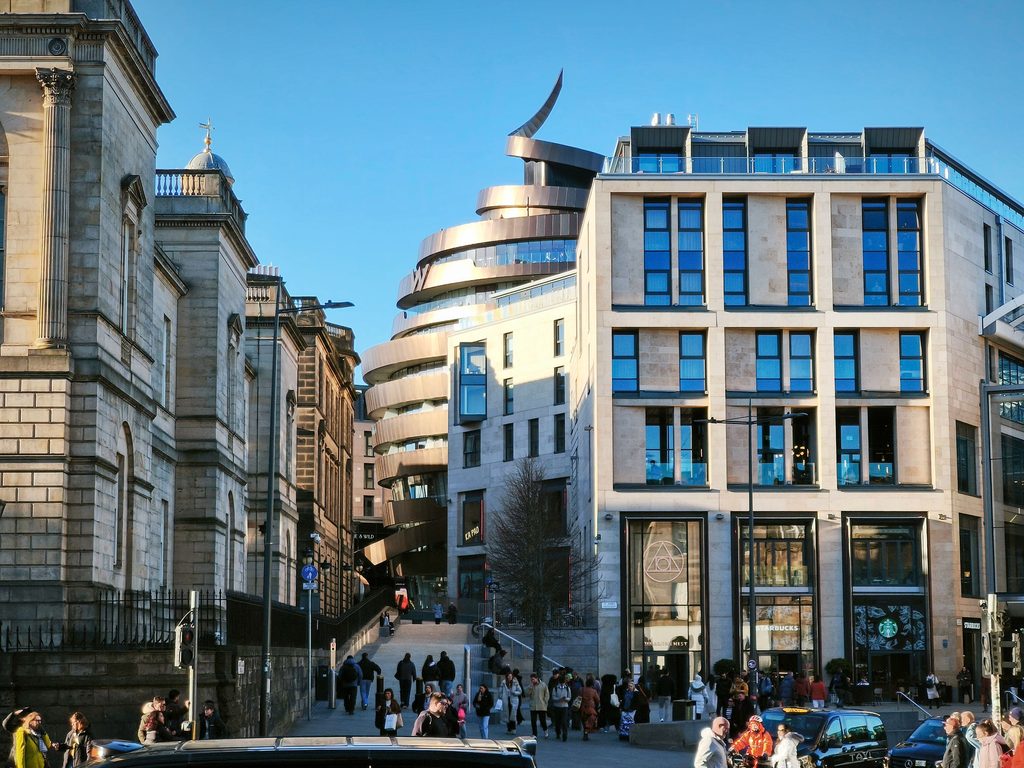
    Suddenly, we were surrounded by more modern buildings, and in front of us appeared the striking shape of W Edinburgh.

    Its rooftop is so unusual that we first looked at it from a distance, trying to work out what it actually was.

    Only later did we discover that it is one of the city’s most distinctive modern landmarks.

    So if you are travelling with children, you can give them a little challenge instead of another historic monument:

    Find the strangest rooftop in Edinburgh. 😁

    W Edinburgh – the modern face of the city that we discovered completely by chance

    Calton Hill as the perfect end to the day

    Calton Hill is one of the oldest publicly accessible walking and viewpoint areas in Britain, and it has been deliberately developed since the 18th century as a place for people to walk and relax.

    We climbed Calton Hill in the late afternoon.
    And we made the right decision.
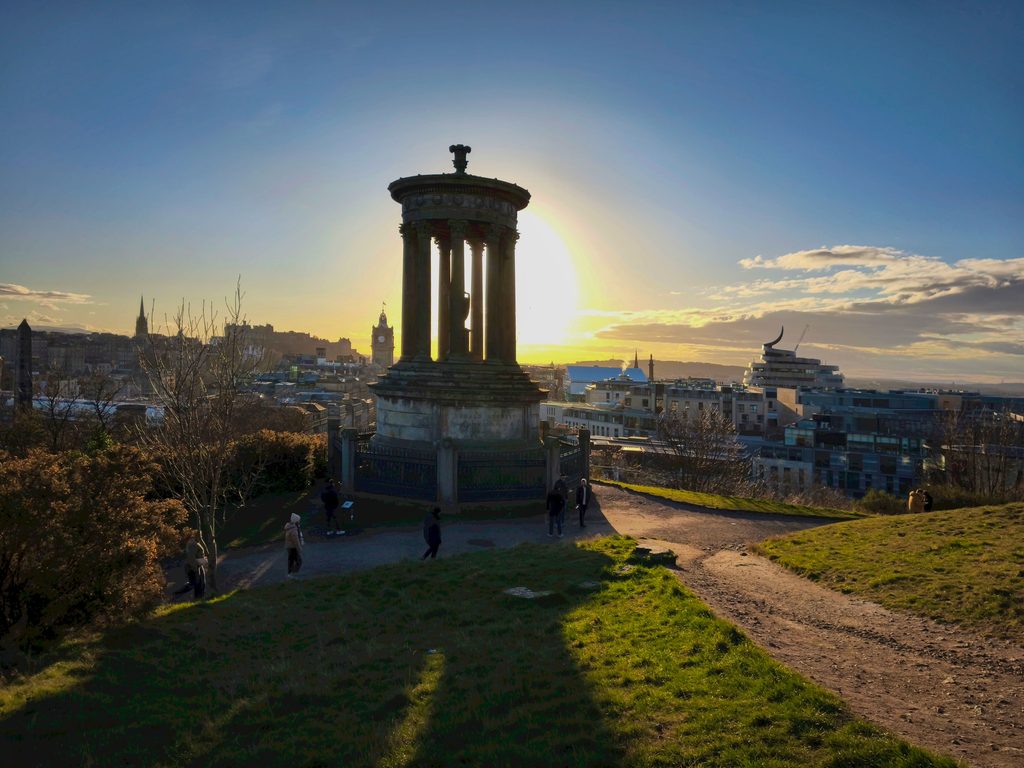
    The sun was slowly setting, and the whole of Edinburgh opened up in front of us.

    The historic centre, modern buildings, the sea in the distance and monuments that look as if they belong in ancient Greece.

    For a while, we simply sat down and looked.

    Calton Hill is one of those places I think is worth visiting later in the day.

    You have time to stop rushing and simply watch the city below you.

    And it was here that I realised something.

    Edinburgh is not beautiful only because of its castle.

    It is beautiful as a whole.

    Calton Hill – a magical sunset over the city

    Four days? Yes for a first visit. No for the whole of Edinburgh.

    Our fourth day depended mainly on the time of our flight.

    If you have an evening flight, you could still visit Edinburgh Zoo.

    We were not able to fit anything else in this time, so we had a quiet morning, packed our bags and headed to the airport.

    And perhaps that was a good thing.

    Because we enjoyed Edinburgh without feeling that we had to tick ten places off a list every day.

    We saw a lot in four days.

    But definitely not everything.

    And actually, that is a good thing.

    What I would know before visiting Edinburgh

    Edinburgh is a wonderful city to explore on foot.

    We walked most of the city ourselves and mainly used public transport for the airport and for getting outside the centre.

    But there is one piece of advice I think is really important:

    Bring comfortable shoes.

    Edinburgh is full of hills, steps and cobblestones.

    Some places look as if they are just around the corner on the map, but then you discover that there is still a proper hill between you and your destination. 🙂

    If you are flying to the United Kingdom, remember to check the current entry requirements and arrange everything you need before your trip.

    And if you are planning to visit Edinburgh Castle, I would still recommend buying your ticket in advance.

    I would happily explore Edinburgh again

    We enjoyed Edinburgh in our own way.

    We explored the castle, Royal Mile, Grassmarket, Calton Hill and the museum, and we also made our way to Forth Bridge.

    And yet, I still feel that I left a lot of unfinished stories behind in Edinburgh.

    Four days were enough for us to fall in love with Edinburgh. They were not enough to discover it all.

    Maybe that is exactly why it is a place where I would happily begin exploring Scotland all over again.

    And if you are visiting Edinburgh for the first time and would like to see how we planned our days, I have also prepared a detailed four-day itinerary.

  • Where to See Caretta Caretta Turtles in Zakynthos

    We didn’t travel to Zakynthos only because of the sea turtles.

    But once we arrived, I was naturally curious.

    Would we actually see one?

    The answer was yes.

    And not in an aquarium or behind glass.

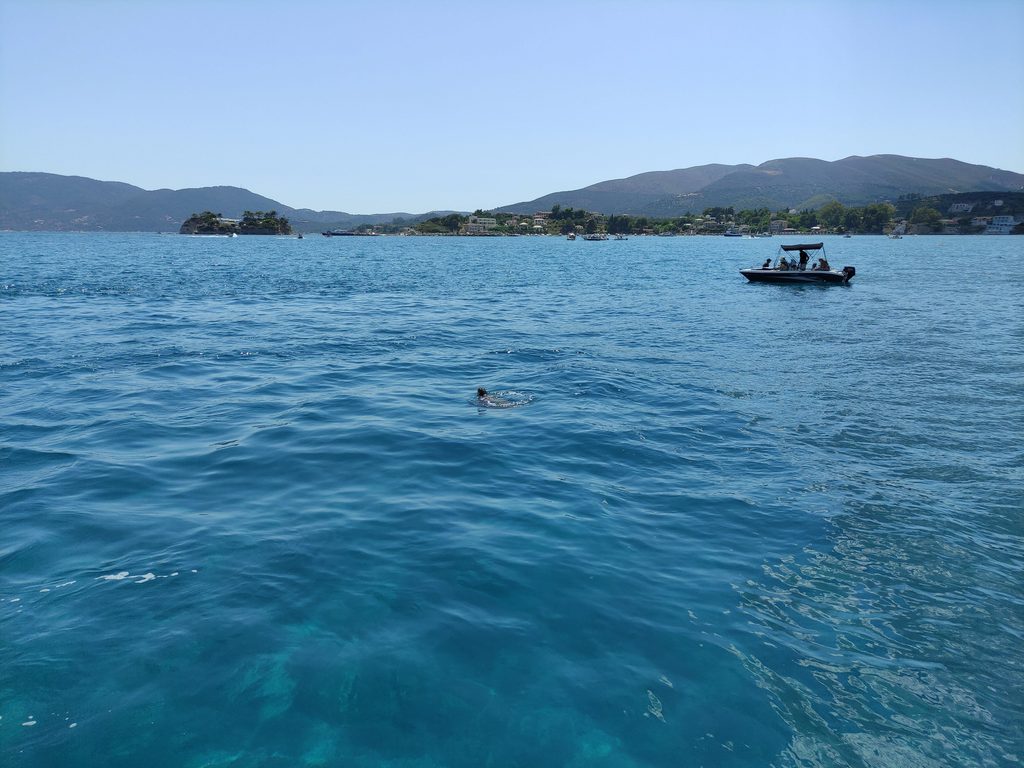
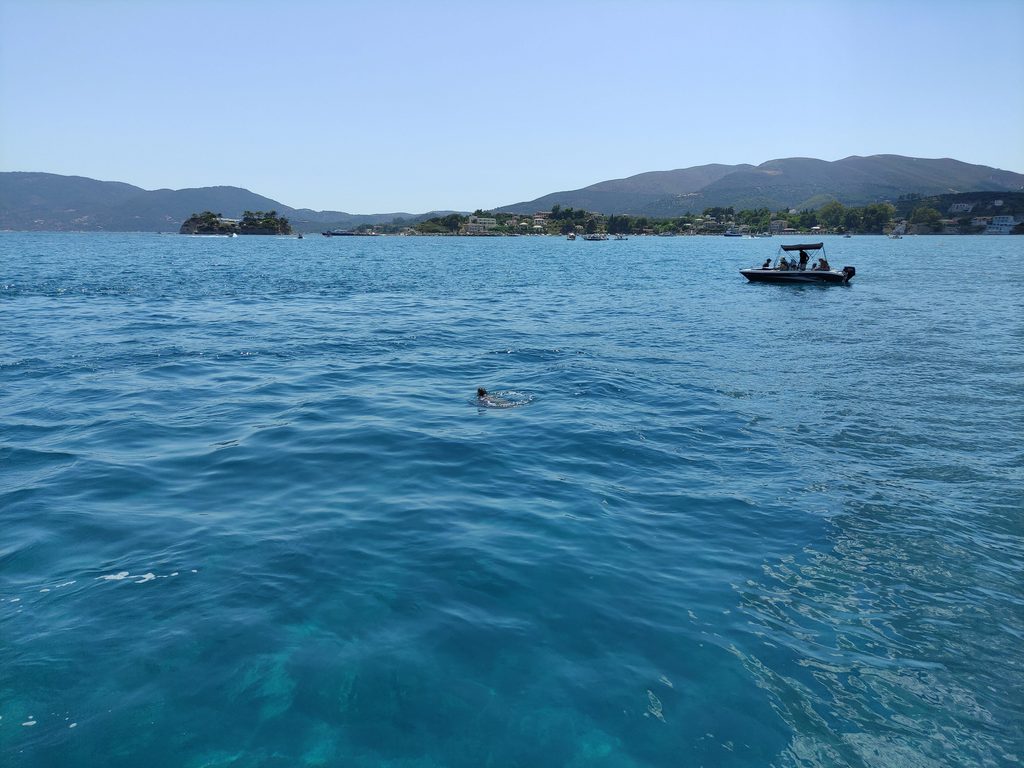
    A sea turtle swam right next to our boat.

    It was one of those brief moments that stays with you.

    Caretta caretta is not a tourist attraction

    The loggerhead sea turtle, Caretta caretta, returns to Zakynthos to lay its eggs.

    The southern part of the island, particularly the Laganas Bay area, is one of the important nesting areas.

    And that changes the way you look at the beaches.

    A beach isn’t simply a place for tourists to put down their towels.

    For a turtle, it can be the place where its next generation begins.

    That’s why there are rules and restrictions on some beaches during the nesting season.

    And I think that’s exactly how it should be.

    We are visitors here.

    The turtles were here first.

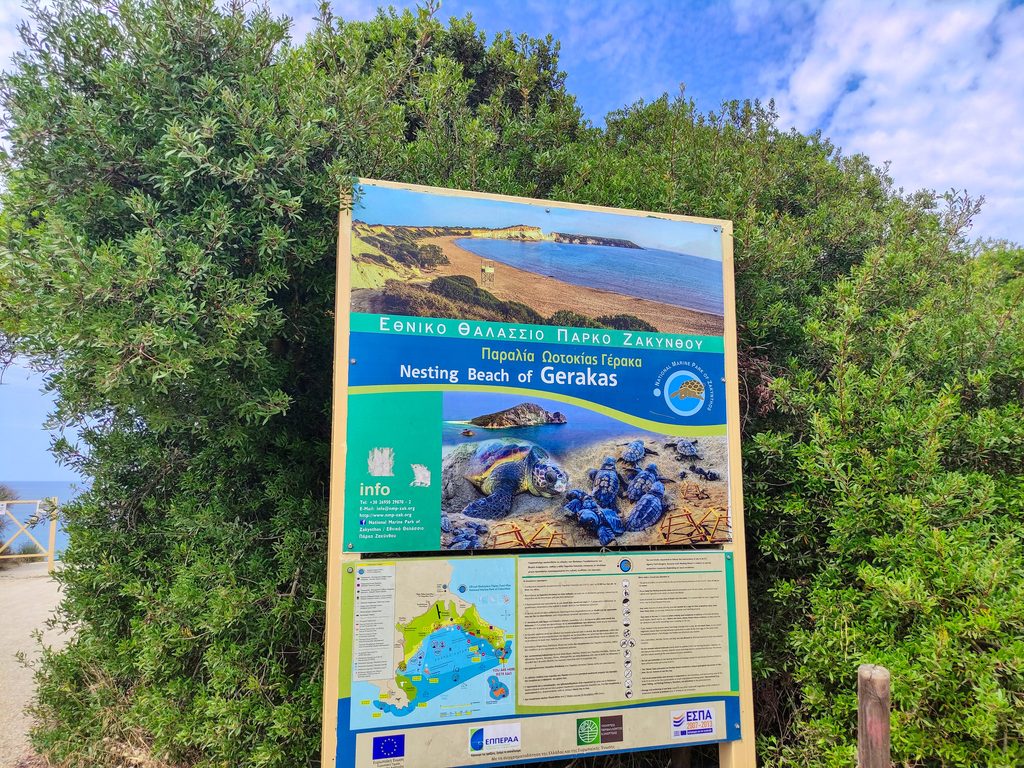
    Gerakas – one of the important nesting beaches

    Gerakas Beach was one of the places we visited.

    It is beautiful – soft sand, clear water and a lovely setting.

    But its most important feature isn’t the one you see in photographs.

    Gerakas is an important nesting beach for Caretta caretta.

    Visitors therefore have to follow specific rules designed to protect the turtles and their nests.

    For me, that added something to the experience.

    Instead of thinking only about how beautiful the beach was, I started paying attention to the fact that this place has another purpose.

    It isn’t just ours to enjoy.

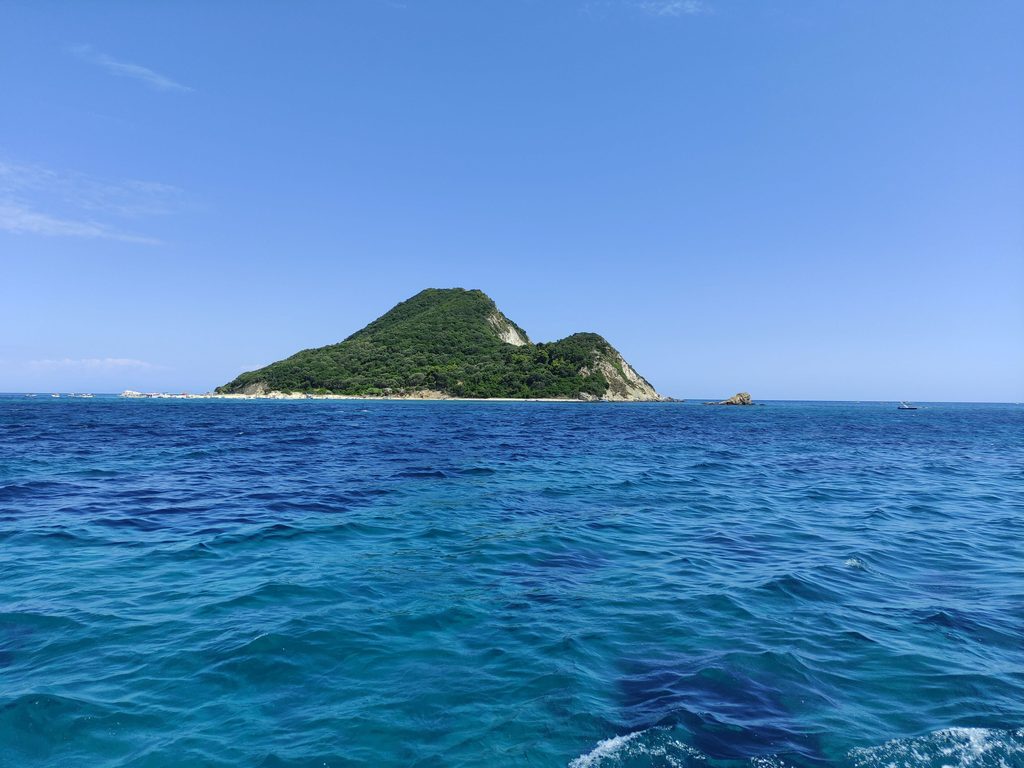
    Marathonisi – Turtle Island

    We also visited Marathonisi by boat.

    The island is known as Turtle Island because its shape resembles a turtle.

    It lies within the protected area of the Zakynthos National Marine Park and is connected with the conservation of Caretta caretta.

    There are small beaches and wonderfully clear water, but visitors need to respect the protected areas and any restrictions in place.

    The island itself is beautiful.

    But for me, the journey there was just as memorable.

    Seeing Marathonisi from the sea, surrounded by that intense blue water, made the whole experience feel rather special.

    And then we actually saw one

    Of course, during our boat trip we were hoping to spot a turtle.

    We waited.

    Nothing.

    We looked around.

    Still nothing.

    At one point I started wondering whether the turtles had been informed about our arrival and decided to take the day off.

    And then one appeared.

    Right next to the boat.

    It surfaced and swam alongside us for a moment before disappearing again.

    It wasn’t a long encounter.

    There was no dramatic movie soundtrack.

    And I certainly didn’t manage to capture a perfect photograph.

    But I didn’t really care.

    I had seen a wild sea turtle in its natural environment.

    That was enough.

    Where should you look for turtles in Zakynthos?

    The southern part of the island is the place to focus on, particularly the Laganas Bay area and protected nesting beaches such as Gerakas.

    A boat trip along the southern coast and around Marathonisi can also give you the opportunity to see turtles in the water.

    But there is one thing I would keep in mind.

    Don’t go looking for a turtle as if it owes you a performance.

    If you see one, you’re lucky.

    If you don’t, you are still on one of the most beautiful Greek islands, surrounded by the sea where these animals have been returning for generations.

    And perhaps that is the best way to experience Zakynthos.

    With a little patience.

    A little respect.

    And without expecting nature to perform on demand.

    Want to explore Zakynthos on your own?

    Discover my personal Zakynthos itinerary with beautiful beaches, places connected with Caretta caretta turtles, and some of the island’s less-known spots.

  • Zakynthos Surprised Me

    I arrived in Zakynthos expecting a beautiful Greek island.

    Blue sea. White cliffs. Small tavernas. Beaches. Perhaps a turtle or two.

    What I didn’t expect was how quickly the island would start to feel familiar.

    It began almost as soon as we landed.

    We had arranged our transfer from the airport, but when it came to paying, the price was suddenly different from what we had agreed. Not exactly the welcome I had imagined.

    So we decided that, for the rest of our stay, we would rather have our own wheels and our own freedom.

    We wanted to see the island, not simply stay on one beach.

    And that turned out to be one of the best decisions of the trip.

    Somehow, you always manage to communicate

    One of the first things that surprised me was how easy it was to communicate.

    I remember walking into a tiny little shop and seeing an elderly woman behind the counter. I honestly wasn’t sure how we were going to manage with English.

    We managed perfectly.

    She spoke English, we spoke English, and somehow everything was completely natural.

    It made me smile because Zakynthos has an interesting connection with Britain. The island was under British protection as part of the United States of the Ionian Islands from 1815 until 1864, when the Ionian Islands became part of Greece.

    Of course, I wouldn’t claim that this is the reason everyone speaks English today. Zakynthos is a very international tourist destination, and English is simply part of everyday communication in many places.

    But still, there was something rather amusing about arriving on a Greek island and finding that English felt so completely at home.

    Perhaps that was one of the first little surprises Zakynthos had waiting for me.

    The people started to feel familiar

    We arrived in the second week of July.

    It was already the main summer season, yet our experience wasn’t one of constant crowds. In the evenings, we could walk along the waterfront quite comfortably, and after a few days something rather lovely happened.

    We started seeing the same people.

    The same sellers.

    The same faces.

    A smile here, a few words there.

    The island slowly became less anonymous.

    Our hostess, Katerina, was incredibly kind and always happy to suggest places worth seeing. And then something happened that I certainly hadn’t expected.

    One of the locals lent us his own car.

    Just like that.

    It was such a simple gesture, but somehow it stayed with me.

    Because when you travel, you remember the big sights, of course. But sometimes it is a small act of kindness from someone you have only just met that becomes part of the story you take home.

    A dessert with a view

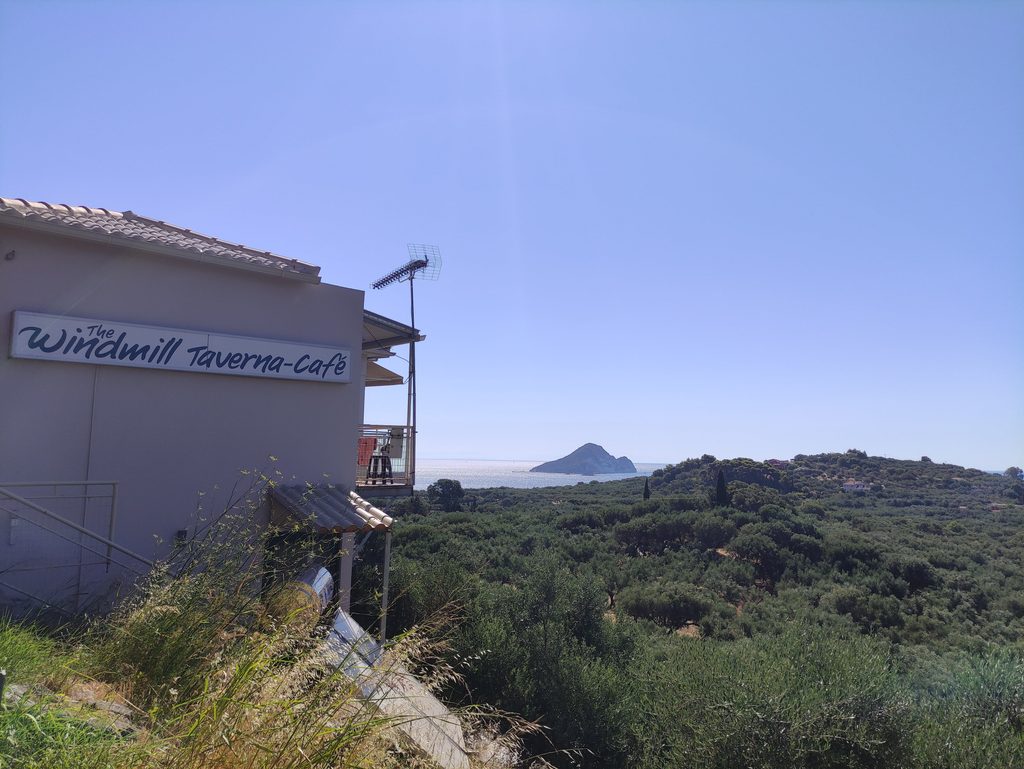
    One of Katerina’s suggestions was the Windmill.

    We went there and ordered a local dessert called frygania.

    It was delicious.

    But what I remember most clearly isn’t the dessert.

    It’s the view.

    For a moment, there was nowhere else I wanted to be.

    From the terrace, we looked out over the surrounding countryside, with olive trees growing all around us and nothing but the endless sea on the horizon beyond them.

    Olive trees are everywhere on Zakynthos, and the island produces wonderful olive oil. We couldn’t leave without bringing some home as a souvenir — a little taste of Zakynthos that we can still enjoy long after the holiday is over.

    And perhaps that’s one of the nicest souvenirs you can bring back from the island.

    That is one of my favourite things about travelling.

    Sometimes you don’t need a famous landmark.

    You just need a table, something good to eat and a beautiful view.

    Seeing Zakynthos from the sea

    Of course, we also went out by boat.

    And from the sea, Zakynthos looked completely different.

    The cliffs seemed higher. The caves appeared where we couldn’t see them from land. Small islands and hidden corners suddenly became part of the landscape.

    It was as if we were seeing the island for the first time.

    And then we saw a loggerhead turtle.

    A Caretta caretta.

    It was swimming beside the boat, and for a few seconds everyone simply watched.

    Then someone spotted it.

    “There’s a turtle!”

    And suddenly…

    everyone was there.

    Boat after boat.

    It was almost funny.

    We had come to see the turtles, but when you see all the boats gathering around one, you can’t help wondering how the turtle feels about having so many visitors.

    It was a beautiful moment, but also a slightly uncomfortable one.

    Perhaps that is the strange side of travelling to places where nature itself is the attraction.

    You come because you want to see it.

    And then you realise that sometimes the best thing you can do is give it some space.

    Gerakas belongs to the turtles

    We saw another side of Zakynthos at Gerakas Beach.

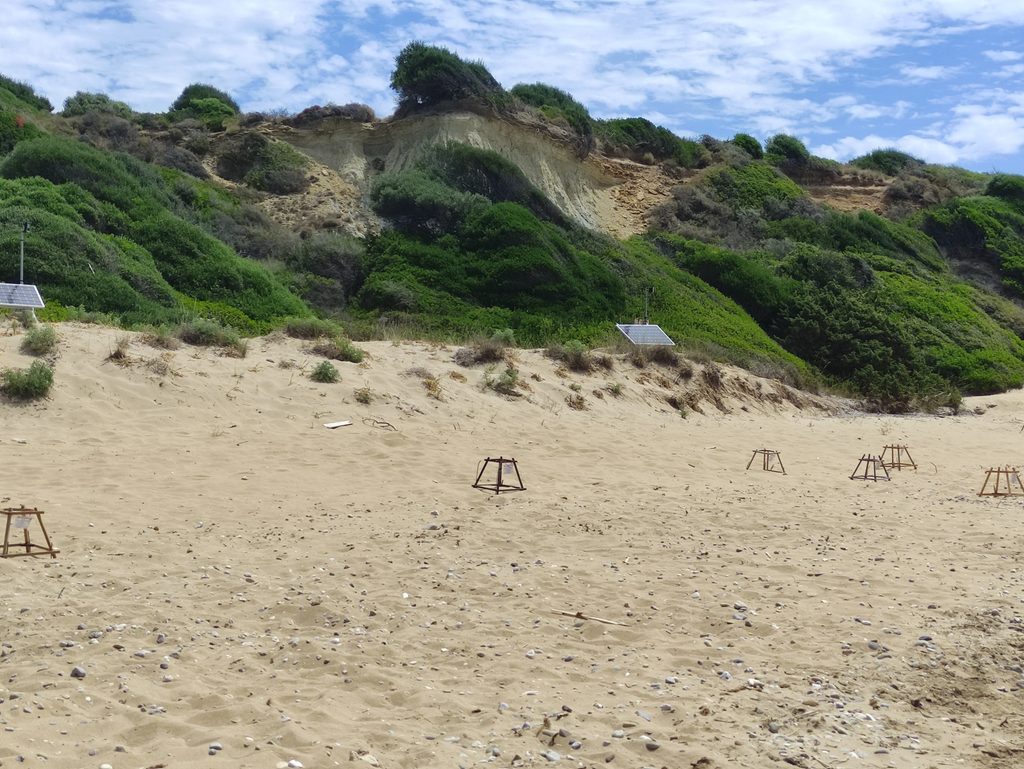
    It is a beautiful, long sandy beach, but it is also an important nesting area for loggerhead turtles.

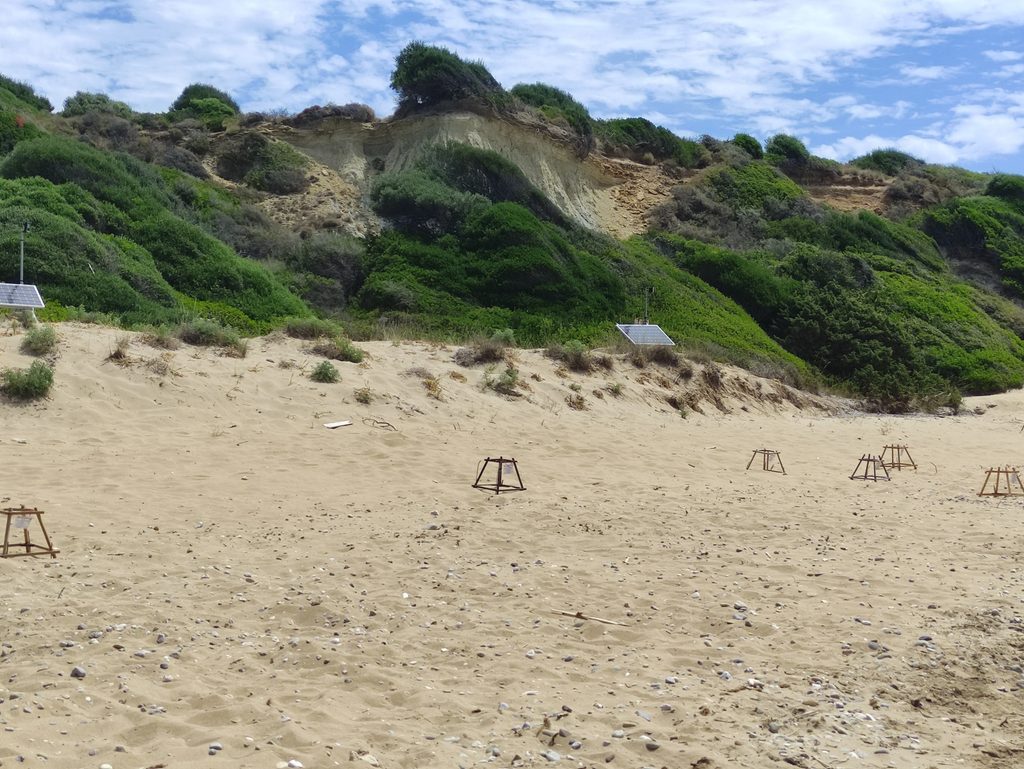
    There were marked nesting sites on the sand, reminding us that this wasn’t simply a beach for tourists.

    There were rules.

    The beach is closed after sunset to protect the turtles and their nesting area.

    And somehow, I liked that.

    For once, we were the visitors.

    The beach wasn’t there entirely for us.

    Navagio from above

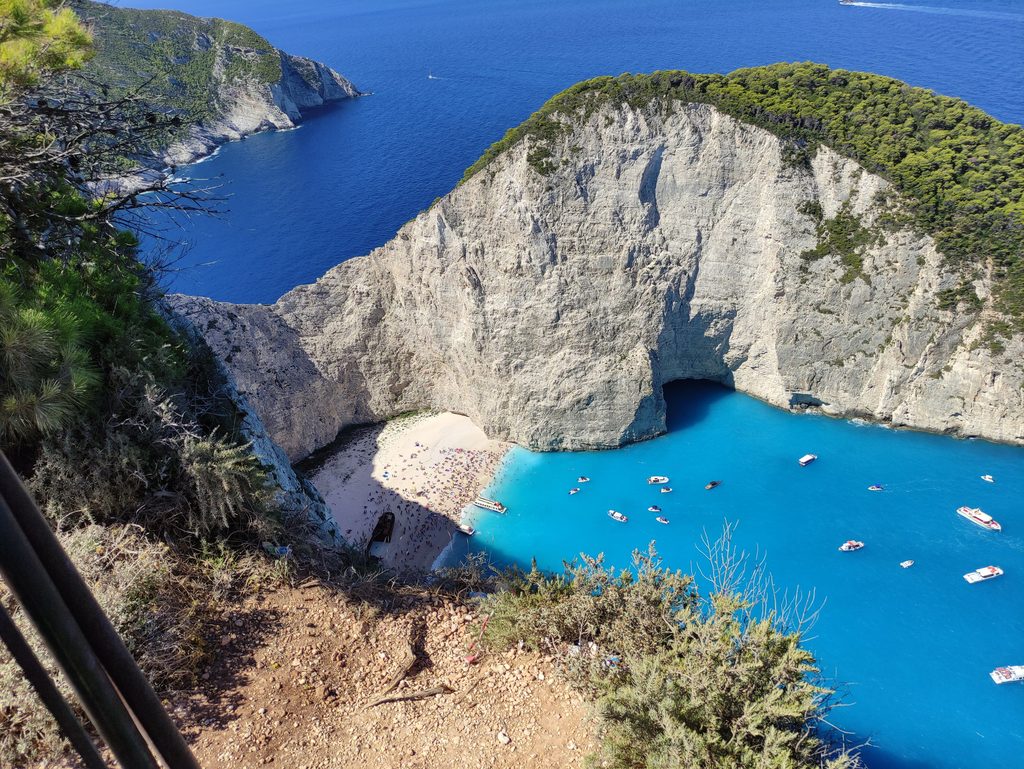
    Of course, we couldn’t leave Zakynthos without seeing Navagio.

    The famous shipwreck.

    The beach that has appeared in so many photographs that you almost feel as if you have already been there before you arrive.

    But seeing it in real life was different.

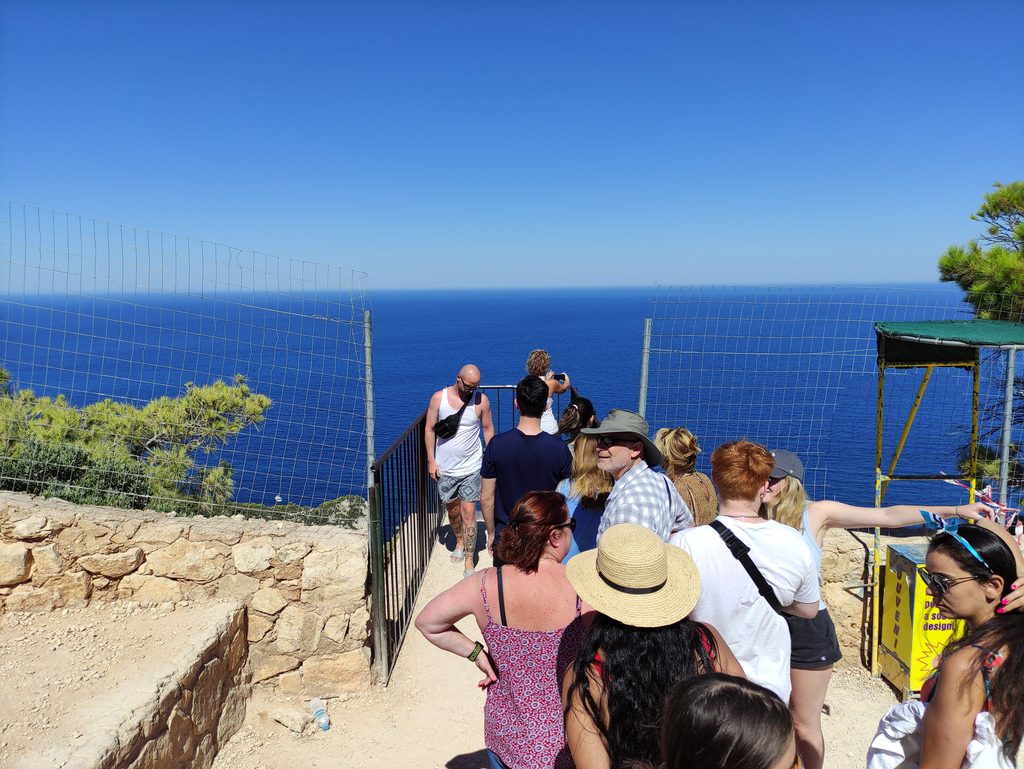
    We stood high above the bay, waiting in line for hours among crowds of tourists, just for a brief moment at the viewpoint. Finally, we looked down at the famous wreck, surrounded by white cliffs and impossibly blue water.

    The view was wonderful.

    But the experience itself was a disappointment.

    After waiting for so long and sharing the viewpoint with so many other visitors, there was hardly enough time to simply stop and take it all in.

    The beach itself has been closed because of the risk of rockfalls and unstable cliffs, so this wasn’t the Navagio experience I had imagined from all those photographs.

    And perhaps that was exactly why it felt so memorable.

    It wasn’t about getting down to the sand.

    It was about standing there, looking at something that had become almost unreal through thousands of photographs — and discovering that even the most famous places don’t always feel the way we expect them to.

    What I brought home from Zakynthos

    We travelled mainly around the southern and western parts of the island.

    We saw the famous places.

    We went out to sea.

    We searched for turtles.

    We stood above Navagio.

    We ate local dessert with a view.

    But when I think about Zakynthos now, those aren’t the only things I remember.

    I remember the elderly woman in the little shop who spoke English.

    I remember seeing the same people along the waterfront every day.

    I remember Katerina giving us another suggestion for somewhere to go.

    I remember a turtle swimming beside our boat.

    And I remember a local person trusting us enough to lend us his own car.

    Maybe that is why Zakynthos surprised me.

    Not because it had beautiful beaches or spectacular cliffs. I expected those.

    It surprised me because, somewhere between the sea, the roads, the little shops and the people we kept meeting, the island began to feel strangely familiar.

    And those are usually the places I remember longest.

  • Outlander and Scotland: Why Diana Gabaldon’s books bring you here

    Scotland is a country that was once brought to life for many readers by the novels of Sir Walter Scott. In more recent times, millions of readers have discovered it all over again through the books of Diana Gabaldon. Because who wouldn’t want to experience Scotland for themselves after reading Outlander?

    Walter Scott created a romantic image of Scotland in his novels – a land of history, heroes and dramatic stories. Many years later, Diana Gabaldon followed in his footsteps in her own way. Outlander takes readers into a world of Scottish clans, Jacobites, ancient castles and the rugged landscapes of the Highlands.

    And Outlander made me even more curious about experiencing Scotland for myself. Not just reading about it, but walking through its streets, seeing its ancient castles and discovering what the country I had imagined so many times while reading was really like.

    I had been planning a longer trip around Scotland for some time. And when we finally decided to go, I didn’t want to simply pass through Edinburgh or leave it for another time. We started right here – in Scotland’s capital.

    I thought four days would be enough for a first introduction. Edinburgh quickly convinced me otherwise. Four days were not enough.

    And now, looking back at our trip, I have realised something else. We visited some places connected with Outlander without even knowing the stories behind them. And we completely missed others.

    🇨🇿 Read the Czech version

    Diana Gabaldon is coming to Edinburgh

    On 19 August 2026, Diana Gabaldon is coming to Edinburgh as part of the Edinburgh International Book Festival, marking 35 years since the publication of Outlander.
    If I were planning a trip to Edinburgh today, I might choose exactly this time…

    Walter Scott and Edinburgh

    Walter Scott was a famous Scottish writer of the late 18th and early 19th centuries and one of the pioneers of the historical novel. He became famous for books such as Ivanhoe and Rob Roy. His stories, filled with history, heroes and dramatic events, had a major influence on the way people imagined Scotland’s past.

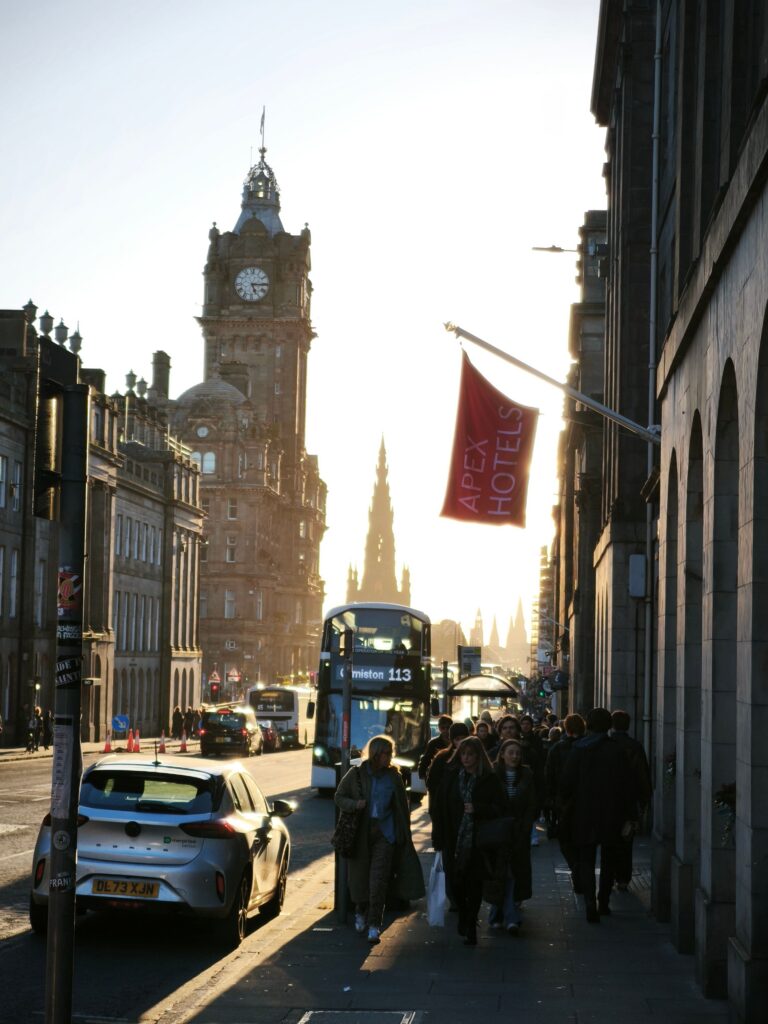
    Edinburgh also has one of the most striking monuments dedicated to him – the Scott Monument. When you catch a glimpse of it among the buildings and bustle of the city, you may not immediately realise how fascinating the story behind its name is.

    As you walk through the city centre and see this enormous Gothic tower, it is a reminder of just how closely Edinburgh and Scottish literature are connected.

    Many years later, Diana Gabaldon came along with Outlander, giving Scotland another story capable of bringing readers all the way here.

    The Scott Monument during an evening walk through Edinburgh

    Outlander brought Scotland into our books

    For me, Outlander is not just the story of Claire and Jamie. It is also a story about Scotland.

    When you read about ancient castles, Scottish landscapes, the Jacobites and life in the 18th century, you begin to picture these places in your mind. And the more you read, the more you want to find out what they really look like.

    I think this is where the magic of travel begins. First, you fall in love with Scotland through a book. Then you want to stand in the places you had previously imagined only in your mind.

    And Edinburgh is a wonderful place to start.

    This was exactly the kind of Edinburgh I imagined while reading historical stories – a little mysterious, a little gloomy, yet incredibly beautiful.

    The Edinburgh we discovered

    I had been planning a longer journey around Scotland for some time. But before heading further north, I wanted to experience Edinburgh too – a city so important to Scottish history.

    Edinburgh felt like a city of contrasts. You can walk for just a few minutes and find yourself leaving a busy street behind for a quiet corner surrounded by old buildings, graveyards and stone walls. Above it all stands the castle, while in the distance there are views across the city and towards the sea.

    We planned four days as enough time for a first introduction. In the end, we discovered that Edinburgh had far more to offer, and even four days were not enough.

    Looking back, I also realised just how many places connected with Outlander we had actually walked past without knowing it.

    Edinburgh Castle – one of the first steps in discovering Scotland

    Edinburgh Castle: Scottish history brought to life

    Of course, we also visited Edinburgh Castle. We bought our tickets online in advance and spent around two hours there.

    Even the walk uphill is a reminder that Edinburgh is definitely not a city without hills. 😊 But once you pass through the gates, a completely different world opens up before you.

    We explored the different courtyards, discovered places connected with Scottish history and, of course, enjoyed the views across Edinburgh. The castle feels enormous, and you could easily spend an entire afternoon exploring it.

    What I enjoyed most was being able to experience the history we had previously only read about. And when I later began looking at Edinburgh through the eyes of an Outlander fan, visiting the castle took on another dimension.

    Edinburgh Castle is not a place where we would look for Jamie and Claire. But it is a wonderful place to begin understanding Scotland, its history and the atmosphere that inspired Diana Gabaldon.

    Edinburgh Castle – the entrance to the courtyard

    The Royal Mile: Edinburgh as we know it from Outlander

    Of course, we couldn’t miss the Royal Mile. This historic route connects Edinburgh Castle with the Palace of Holyroodhouse, and as you walk along it, you gradually experience different sides of the city.

    We walked along it without any particular plan. We stopped here and there, looked into the narrow closes and simply took in the atmosphere of the Old Town.

    At the time, I had no idea that after returning home I would be coming back to these very streets while writing this article and looking for places connected with Claire and Jamie’s story.

    And that is one of the wonderful things about travelling. Sometimes you first discover a place simply as a tourist. Only later you realise that there is another story waiting to be discovered there.

    If you are an Outlander fan, it is therefore worth looking at the Royal Mile a little more closely.

    Royal Mile – the historic heart of Edinburgh

    Jamie’s print shop – the place we missed

    And here comes my confession.

    It was only while researching this article that I discovered we had missed a place in Edinburgh that I would definitely look for today as an Outlander fan.

    Bakehouse Close is tucked away just off the Royal Mile.

    In the series, it represents the location of Jamie’s print shop, where Claire reunites with Jamie after many years. The interior of the print shop was created elsewhere for filming, but Bakehouse Close provides its exterior setting.

    And I had been so close.

    At the time, it never occurred to me to look for Outlander locations in Edinburgh. Now I know that Bakehouse Close will definitely be on my list next time.

    Illustrative photo of the Royal Mile. Look for BAKEHOUSE CLOSE
    Jamie’s print shop from Outlander

    Outlander locations I’m saving for next time

    The more I researched Outlander locations while writing this article, the more I realised just how many of them I had missed during my first visit to Edinburgh.

    And perhaps that is a good thing. At least I have another reason to return.

    Some of these places are right in the city centre, while others are just a short journey from Edinburgh. This time, however, I will know exactly where to go.

    Tweeddale Court

    Tweeddale Court is just a short walk from the Royal Mile. This unassuming historic passageway appeared in the Outlander series and represented part of old Edinburgh. Scenes from the third season were filmed here, including Claire’s meeting with Fergus.

    During our visit, I walked past places like this without paying any attention. Today, I would definitely stop and explore it.

    Palace of Holyroodhouse

    Another place I missed on this trip was the Palace of Holyroodhouse, located at the opposite end of the Royal Mile.

    For Outlander fans, it is particularly interesting because of Claire and Jamie’s story. In the books, they meet Bonnie Prince Charlie here at a time when the Jacobite Rising is being planned.

    So when I return to Edinburgh, the Royal Mile will no longer end for me at the castle. This time, I will walk all the way down to Holyroodhouse.

    Craigmillar Castle

    And if you want to extend your Outlander journey beyond Edinburgh, you can head just outside the city.

    Craigmillar Castle is only a few miles from central Edinburgh, and fans of the series will recognise it as the location that represented Ardsmuir Prison, where Jamie was imprisoned.

    I missed this place on our trip too. And the more I discover about it, the more I regret not knowing about it at the time.

    So I have another place on my list for my next trip to Scotland.

    Edinburgh brought me even closer to Scotland

    Perhaps this is one of the best things about travelling. You return home thinking you have already experienced a place, only to discover while looking through your photographs or writing about the trip that there is still so much you haven’t seen.

    We enjoyed Edinburgh in our own way. We explored the castle, the Royal Mile, Grassmarket and Calton Hill, visited a museum and even made our way to the Forth Bridge. We wanted everyone to enjoy Edinburgh, not just Outlander fans.

    And yet, I now feel that I left so many stories unfinished in Edinburgh.

    Outlander has given me another perspective on the city, but Edinburgh itself has something to offer everyone.